Cold water surfing rewards commitment with access to coastlines few people ever reach. Alaska, Russia’s Kamchatka Peninsula, Norway’s Lofoten Islands and Iceland pair near-freezing seas with powerful surf, but each brings a distinct mix of remoteness, wave character and winter risk. Water temperatures range from 32 to 41 degrees Fahrenheit across these destinations; a 5mm or 6mm wetsuit, hood and booties are standard kit for staying out long enough to catch a wave.
Alaska: remote breaks and open Pacific swell
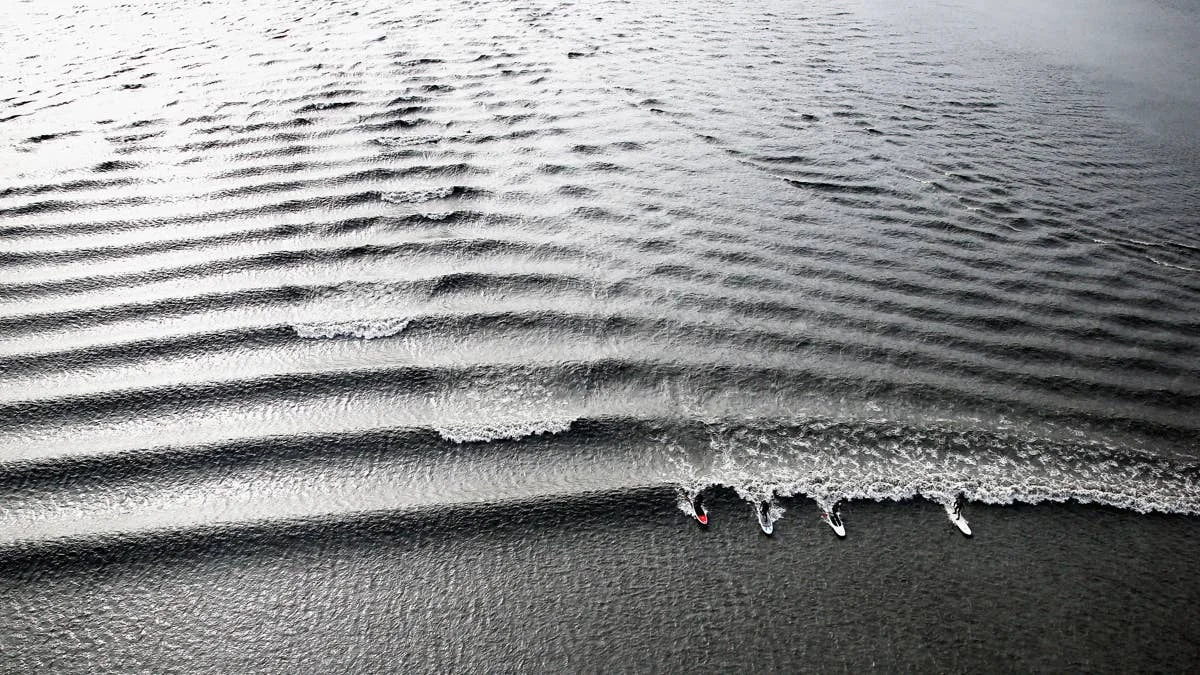
Alaska’s surf appeal lies in its scale and isolation. Water temperatures run about 35 to 41 degrees Fahrenheit, and reaching many breaks takes serious planning. Yakutat, near the borders of British Columbia and Yukon on the Gulf of Alaska, has one of the state’s best-known surf communities, though only about 30 surfers live in the area.
Farther west, the Aleutian Islands stretch roughly 2,000 kilometers into the Pacific. Their exposure gives them access to substantial swell with little land in its path. Explorers Ben Weiland and Chris Burkard have helped bring attention to the region; Weiland’s The Cradle of Storms became a notable SURFER project in 2014. A 6mm suit is a practical baseline, and surfers should account for the extra weight of cold-water gear when choosing a board.
Kamchatka: volcanic sand and freezing water
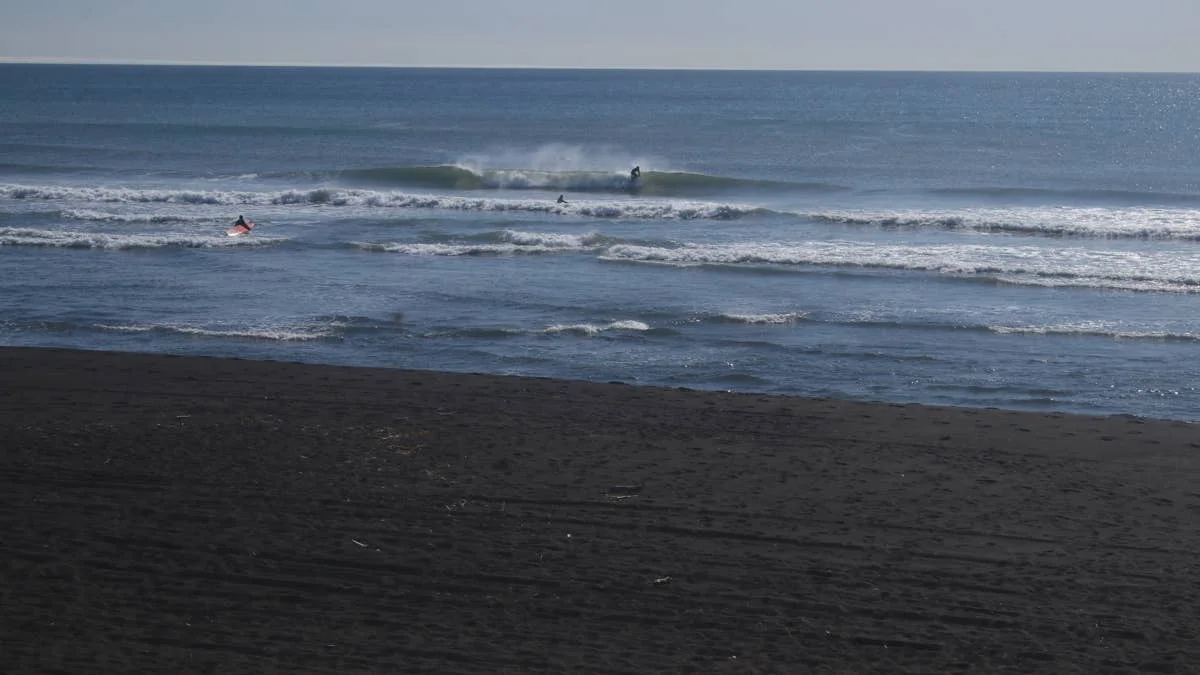
Kamchatka sits across the Aleutian chain from Alaska, with water temperatures around 32 to 39 degrees Fahrenheit. The peninsula’s eastern shore faces the Pacific, and Khalaktyrsky Beach is among its best-known breaks: a 30-kilometer sweep of black volcanic sand exposed to open-ocean swell.
The beach break can produce fast, hollow sections, though its ability to handle larger surf varies. Timing matters. At these temperatures, a 6mm wetsuit is essential, and the coastline has another consideration: Kamchatka is home to one of the world’s densest brown bear populations, with bears roaming the shore in search of food.
Lofoten: a tiny village with a world-class point
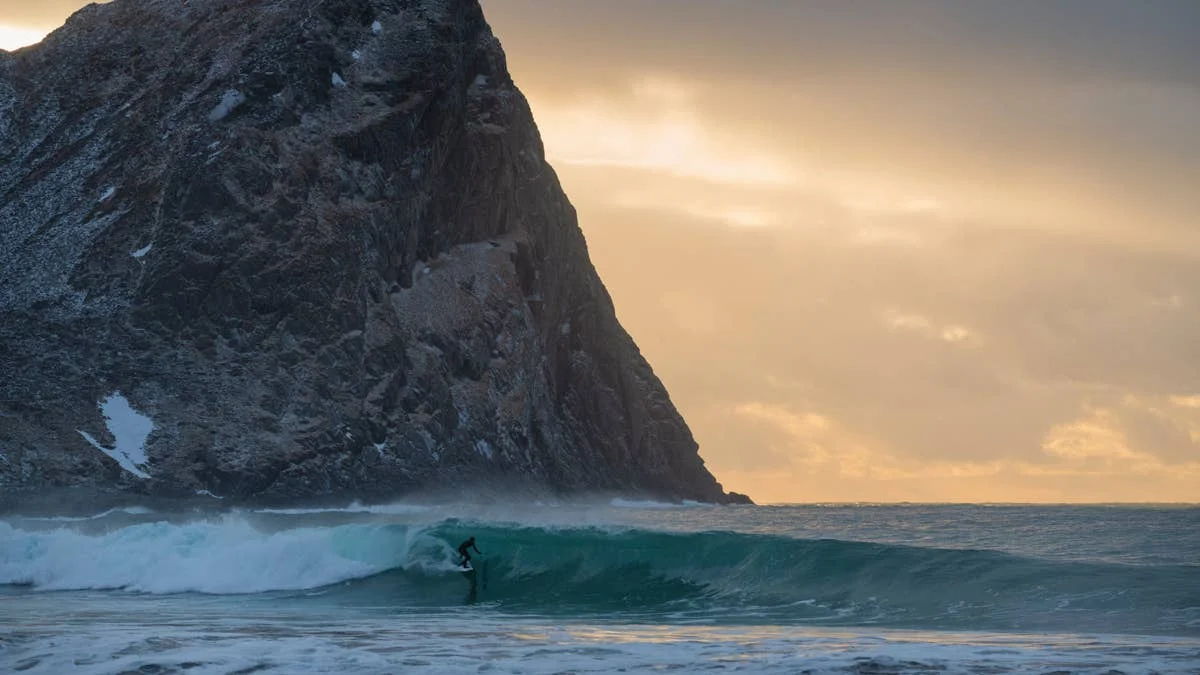
Norway’s Lofoten Islands are a cold-water surf destination with a particularly striking base: Unstad, a remote village on Vestvågøya in Nordland county. About 13 people live there year-round, near a world-class point break and other setups along the coast. Water temperatures of 39 to 41 degrees Fahrenheit are comparatively mild for this group, but Arctic storms and cold offshore winds can make the trip out of the water feel harsher than the numbers suggest.
Swedish surfer Tim Latte has been spending time in the region and exploring farther north along Norway’s coast. Unstad is reached by flying to Oslo, connecting to Leknes Airport and driving about 25 minutes to the village. The road itself is part of the draw: a tunnel opens onto views of Unstad and the ocean beyond.
Iceland: varied breaks across a storm-exposed coast
Iceland combines black volcanic beaches, point breaks and beach breaks across a coastline linked by the country’s ring road. Water temperatures hover around 35 to 41 degrees Fahrenheit. Flights to Reykjavik make it one of the more accessible destinations on this list, while storms moving in from the west can deliver powerful surf to the southern coast.
The island’s surf community remains small but is growing, and its range of breaks makes Iceland a flexible option for surfers prepared for winter conditions. Taylor Steele’s opening sequence for Castles In the Sky captured a greener, springtime view of the country; winter brings a colder and more demanding version of the same scenery. Across all four destinations, access and preparation shape the session as much as the swell does.


