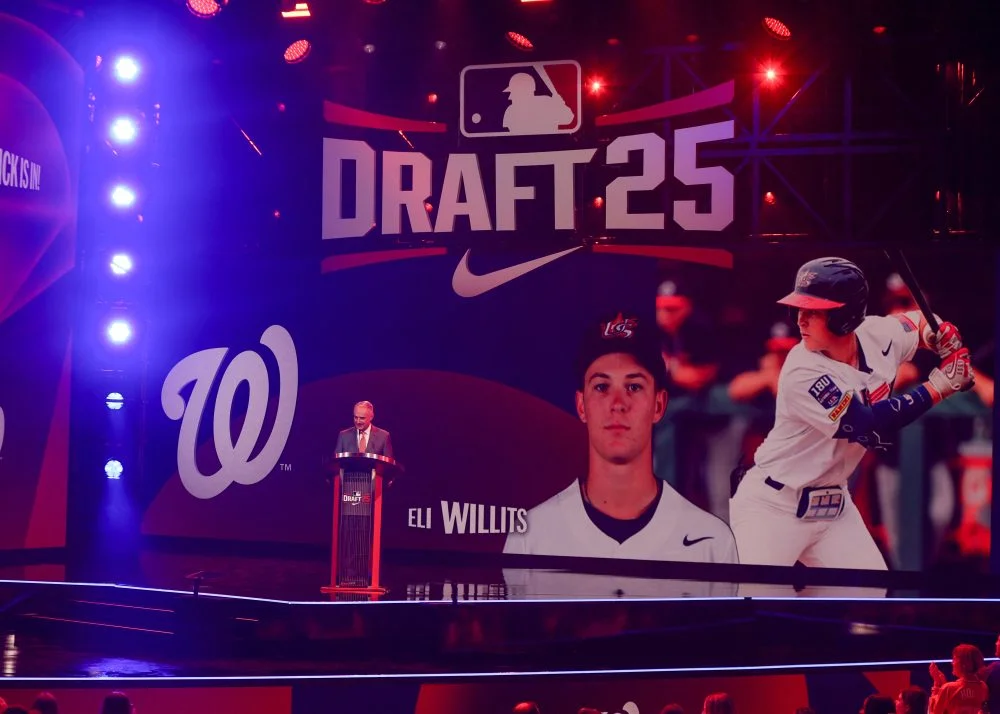
The MLB draft is so embedded in baseball that imagining the sport without it feels like a thought experiment. That may be exactly why it belongs in the conversation about what players could demand in exchange for accepting a salary cap. The draft is a familiar way of organizing how young players enter the sport, but it also raises a larger question about who gets to choose where a career begins.
The idea sits against a familiar backdrop: labor negotiations approaching, an offseason still waiting for major transactions, and a lockout looming large in baseball’s conversation. The question is hypothetical. The MLBPA has firmly rejected a cap, and there’s no indication it’s ready to reconsider. But asking what could possibly make a cap acceptable exposes how much owners might have to offer. It also shifts the discussion from the cap’s technical design to the more basic bargain underneath it: what would players receive for giving up a major point of leverage?
Why familiar concessions may fall short
A higher minimum salary, a meaningful salary floor, independent audits of league finances, and fewer years of team control all address real player concerns. Careers are short, so higher minimum pay would matter to players who spend time on a big-league roster. A floor could address the gap between teams that spend heavily and teams that spend less, while audits could give players more information when they assess claims about club finances. And when players reach free agency later in their careers, fewer years under team control could give more of them a chance to negotiate while younger.
Those proposals are intuitive because they build on issues already central to the player-owner relationship. They’re also concrete enough to debate: the parties could argue over how high a floor should be, what an audit would examine, or how team control might change. But a list of familiar adjustments doesn’t answer the central question of whether players would accept a cap in exchange. A concession can be meaningful on its own and still fall short as compensation for a larger change in bargaining power.
Cutting team control from six years to four would be a major shift; offering smaller adjustments could look like a fresh coat of paint on the existing arrangement. The distinction matters. If a cap limits what clubs can spend on player salaries, then changes that affect only a subset of players, or arrive late in their careers, may not reassure the union that the trade is balanced. The numbers here are underwhelming unless the benefits reach players in a way they can recognize over time.
That’s the underlying imbalance in the hypothetical. Owners may value a cap as a way to constrain payroll, while players would surrender a central source of bargaining power. A deal would need to alter the system in ways players could feel across their careers, not simply add a few benefits around its edges. Here’s the thing: a salary floor and a cap aren’t automatically equal counterweights just because both are written into the same agreement. Their value would depend on the terms and on how they affect players at different stages of a career.
The draft as a bargaining question
That points toward a more fundamental question: what established feature of baseball most limits a player’s agency, and could removing it change the terms of the debate? The draft is an obvious candidate. Scrapping it would be a dramatic departure from the current system, which is precisely what makes it worth considering as a hypothetical concession. This is more significant than it looks: the proposal would reach beyond how much players earn and into how they enter the professional game.
A draft organizes the assignment of incoming talent, but it also means a player’s first professional destination isn’t simply the result of choosing among interested teams. Removing that structure could, in principle, give players more say at that early point. The consequences would depend on the replacement system, though, and the available source doesn’t set one out. There’s a wide gap between identifying a restriction and showing what a workable alternative would look like.
And this is the part most people overlook: a change that expands choice for one group can raise difficult questions about who benefits most and how the transition works. Similar systems typically have to balance player choice with the interests of teams seeking access to new talent; the details matter. A proposal to abolish the draft, without a clear account of what takes its place, is a bargaining idea, not a finished policy.
That doesn’t make the idea irrelevant. It makes the scale of the possible concession clearer. If the draft is on the table as a thought experiment, the argument is that players might ask for changes to the structures governing their careers, rather than accepting a cap in return for adjustments to pay and oversight alone. One sentence, plainly: A bigger bargain.
What the hypothetical reveals
The available source raises the draft question but doesn’t provide the argument that follows. What it does establish is the scale of the challenge: if owners want players to entertain a salary cap, familiar proposals may not be enough. The debate would have to reach the structures that shape when players gain control over their careers. That’s a more demanding standard than simply adding a salary floor or promising greater transparency.
If you’re working in this space, the distinction is useful: the question isn’t only whether a proposed benefit sounds attractive, but whether it changes the balance players would be giving up. A cap could affect the overall terms of bargaining, while draft reform would touch a different stage of a player’s path. Putting them in the same hypothetical forces negotiators to explain how the trade would work across those stages.
That said, the draft’s place in the conversation shouldn’t be mistaken for evidence that the union is willing to accept a cap, or that draft abolition would be its price. The MLBPA’s rejection remains the clearest fact in the setup. For now, the proposal serves as a test of how substantial an offer would have to be before the debate moved beyond familiar adjustments. It asks owners to consider whether the system they want to preserve is worth changing in return.
The future outlook is therefore less about predicting a specific deal than recognizing the terms of the argument. If the cap remains unacceptable to players, the draft question may go nowhere. But it highlights why a negotiation over payroll rules could become a negotiation over control, timing, and opportunity across a career. Any serious hypothetical bargain would have to account for all three.


