Surf breaks can act as early indicators of coastal change. A study of 57 internationally significant waves found that many face medium or high risk from climate impacts, with consequences for the beaches and communities around them.
More than 200 local surfers contributed assessments at breaks in 13 World Surfing Reserves across eight countries. The results point to three main pressures: limited shoreline resilience puts 89% of the breaks at medium or high risk; rising sea levels pose that level of risk to 79%; and shifts in seafloor composition and sediment put 75% in the same category.
“We learned directly from the local surfers how they are seeing their waves change,” said Trent Hodges, a coauthor and senior programs manager at Save the Waves Coalition. “It’s a canary in the coal mine too; when a wave changes, that often means the beach is changing, and that affects everybody.”
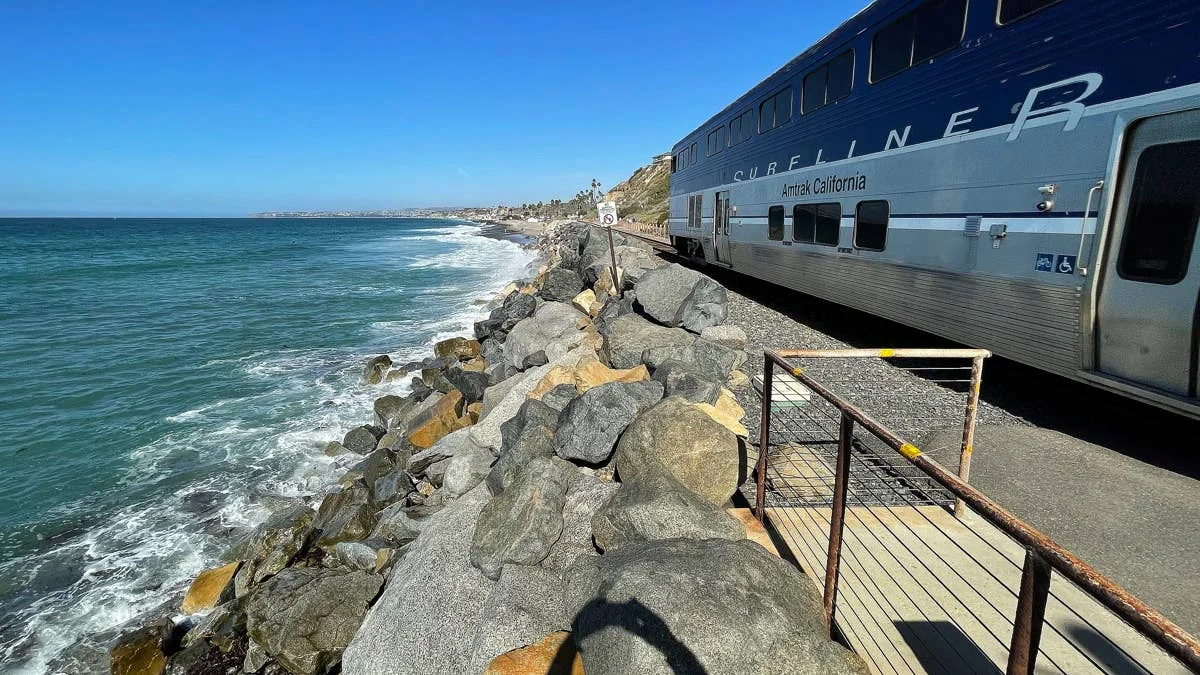
MediaNews Group/Orange County Register via Getty Images / Getty Images
Small coastal changes can reshape a break
The findings carry particular weight because the study covers waves with global reputations, including sites protected within World Surfing Reserves. Their exposure raises questions about the many breaks beyond the study that lack the same recognition or protection.
Surf breaks depend on a precise mix of ocean and coastal conditions. “Surf breaks are incredibly unique oceanographic phenomena. A confluence of many factors that fit together just right to make the wave happen, and so those processes are really sensitive,” said Dan Reineman, an associate professor at California State University Channel Islands and a study coauthor.
The study names Croyde in the UK, Noosa in Australia and Oriente Salvaje in El Salvador among the high-risk sites, alongside California reefs Sewer Peak and Windansea. Changes to sediment, shorelines and coastal infrastructure can affect whether these waves continue to break as they do today.
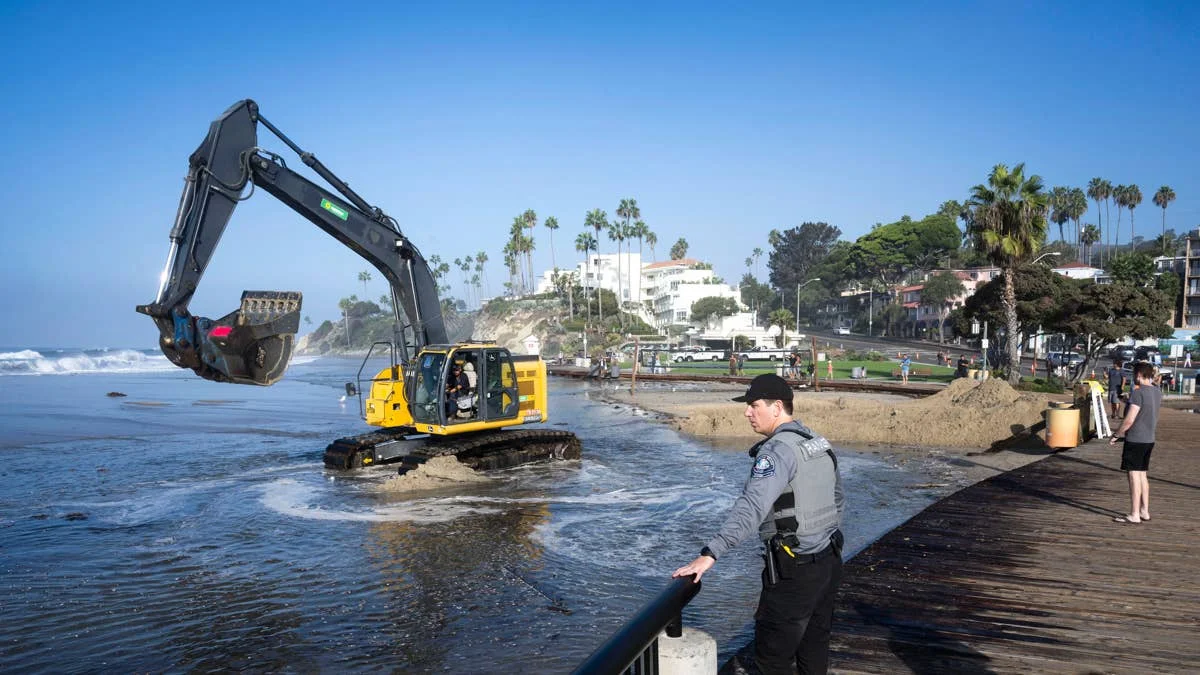
MediaNews Group/Orange County Register via Getty Images / Getty Images
The stakes extend well beyond surf quality. Surfing generates about $200 million a year in Santa Cruz, according to the paper, and some coastal economies are even more dependent on the sport. “In the east of El Salvador, you have some of the most perfect point break waves you will find, and the entire economy there is pretty much dependent on surfing,” Reineman said.
Reineman said climate change and coastal management both threaten the long-term viability of several major breaks, along with the communities, cultures and economies built around them. Seawalls, jetties and groynes can make beaches and nearby waves less resilient, while development can alter local winds or block swell pathways.
Natural shorelines offer room to adapt
The study also points to a practical source of resilience: coastlines that remain more natural can adjust by shifting inland and moving sediment. That finding supports approaches such as restoring dunes, mangroves and coastal wetlands, which can buffer rising seas without reflecting waves back from hard barriers.
The researchers encourage surfers to use SurfCAT, the assessment tools developed for the study, to document conditions at their local breaks and work with authorities and community groups. Changes in sand movement, tide windows or a wave’s usual shape can help build a clearer picture of what’s happening along the coast.
Surfers spend enough time watching a break to notice those shifts early. Recording what they see—and supporting coastal measures that leave room for beaches to adapt—could help communities respond before a changing shoreline becomes a lost wave.


