The surfboard’s history is a record of changing priorities: first, making a board rideable; then making it lighter, faster and more responsive; and, lately, asking what it’s made of. Each major shift has changed how surfers approach waves, from the long wooden boards of Polynesia to the performance thruster that still anchors modern surfing.
That progression hasn’t been a straight line. Shortboards and specialized performance designs gave way, in part, to renewed interest in fish, retro shapes and boards suited to everyday conditions. The newest chapter pairs that broadening of shape choices with attempts to reduce the environmental cost of construction.
Timber foundations and the spread of surfing
Polynesian surfers rode timber boards in several forms. The olo could exceed 16 feet and was reserved for Hawaiian royalty. The alaia was typically shorter, while the kiko’o sat between the two in size. These boards were heavy and had no fins, so riding them called for a close understanding of how their shape moved through the water.
Surfing, known in the native Hawaiian language as he’e nalu, carried spiritual meaning as well as physical challenge. The precise date of the first surfboard ride remains unknown. Some records point to surfing in ancient China, but Polynesian board designs formed the foundation for the practice described here. They remained the norm into the early 20th century.
Wooden boards reach a wider audience
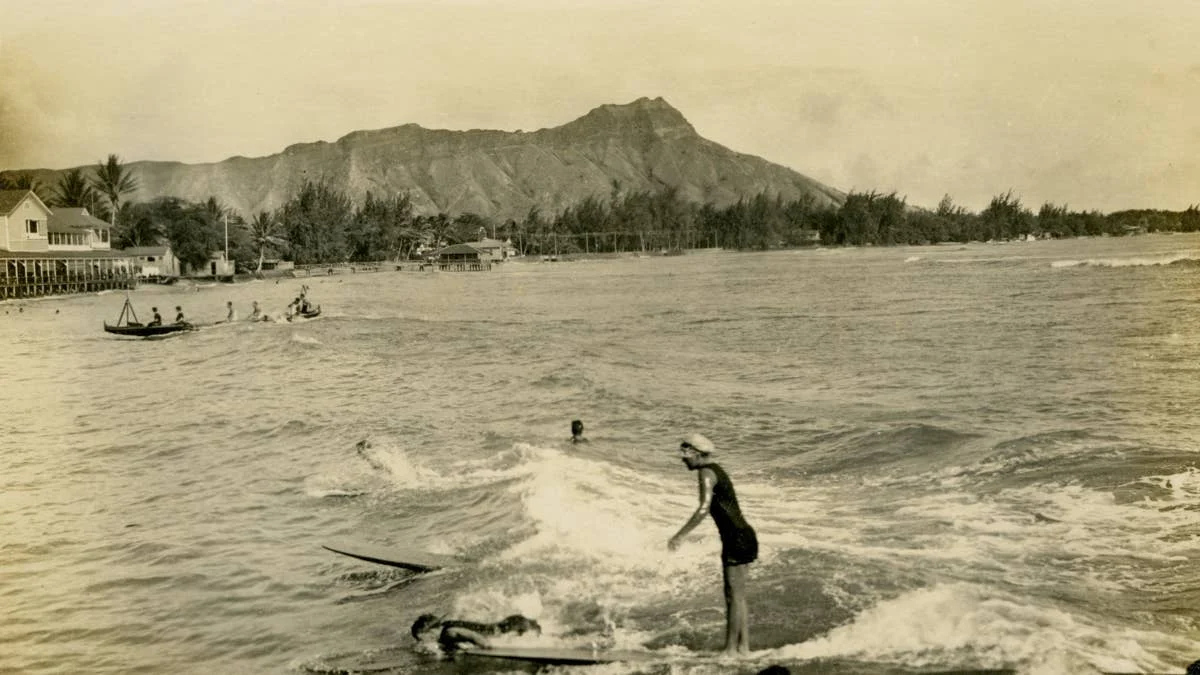
Hawaiian surfer Duke Kahanamoku helped introduce surfing to audiences around the world. His redwood boards were heavy, but they also became part of a period of experimentation. Shapers began changing length, width and thickness, then observing how each version performed in different conditions.
Surfing was still concentrated in a handful of places. Its presence elsewhere was often brief, but the craft of shaping was already becoming a way to test ideas about speed and control.
Tom Blake cuts weight and adds a fin
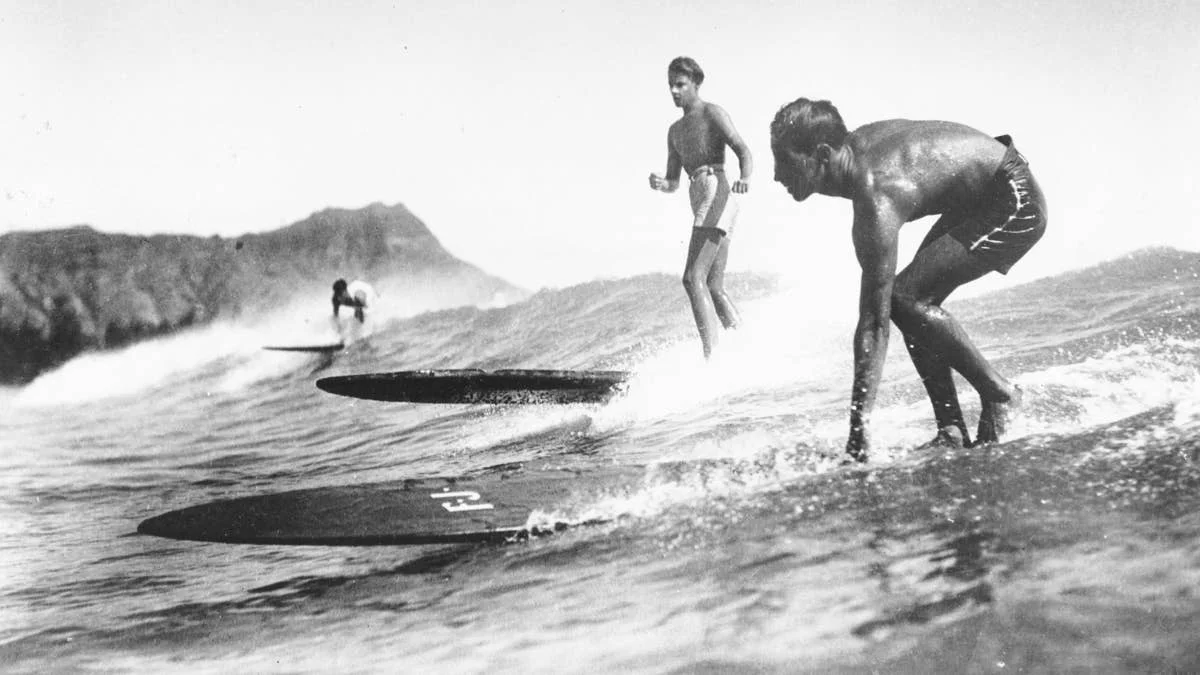
Tom Blake’s hollow surfboard addressed a basic constraint of wooden construction: weight. Developed between 1929 and 1931, the design became known as the “cigar box.” An internal wooden frame with ribs supported plywood decks, drawing on ideas from airplane wing engineering. The hollow build cut a heavy board’s weight roughly in half.
Wood still absorbed water, so Blake added a drain plug. In 1935, he fitted a speedboat fin to the underside. That change gave the board a new ability to turn and made fin design part of the shaping conversation. Blake’s work brought together construction, weight and directional control in ways that would influence later generations.

Fiberglass construction opens up shaping
By the 1950s, balsa wood and fiberglass had helped make the Malibu-style longboard lighter and more accessible. Polyurethane foam blanks replaced Blake’s hollow construction, while polyester resin added strength and helped seal the boards against water. These materials also made shaping easier, speeding up the cycle of design and testing.
Shapers could experiment with fin placement and templates, and surfers had more room to express themselves on a wave. California and Australia became major centers of surf culture as the lighter boards helped the sport reach a larger audience.
Related: How To Surf a Twin Fin With Josh Kerr
Shorter boards change the ride
In the 1960s, surfers began cutting down boards that had often measured more than 10 feet. Seven-foot and even six-foot designs created a different relationship with the wave, allowing tighter turns and greater control in critical surf. This shift helped establish many of the ideas behind modern board design.
California surfer George Greenough helped spark the change with unusually short kneeboards. Bob McTavish carried that approach into stand-up surfing, translating Greenough’s ideas into shorter shapes by removing substantial length from the traditional longboard. The result was more than a smaller board: it was a new emphasis on maneuverability.
Twin fins and the thruster define performance
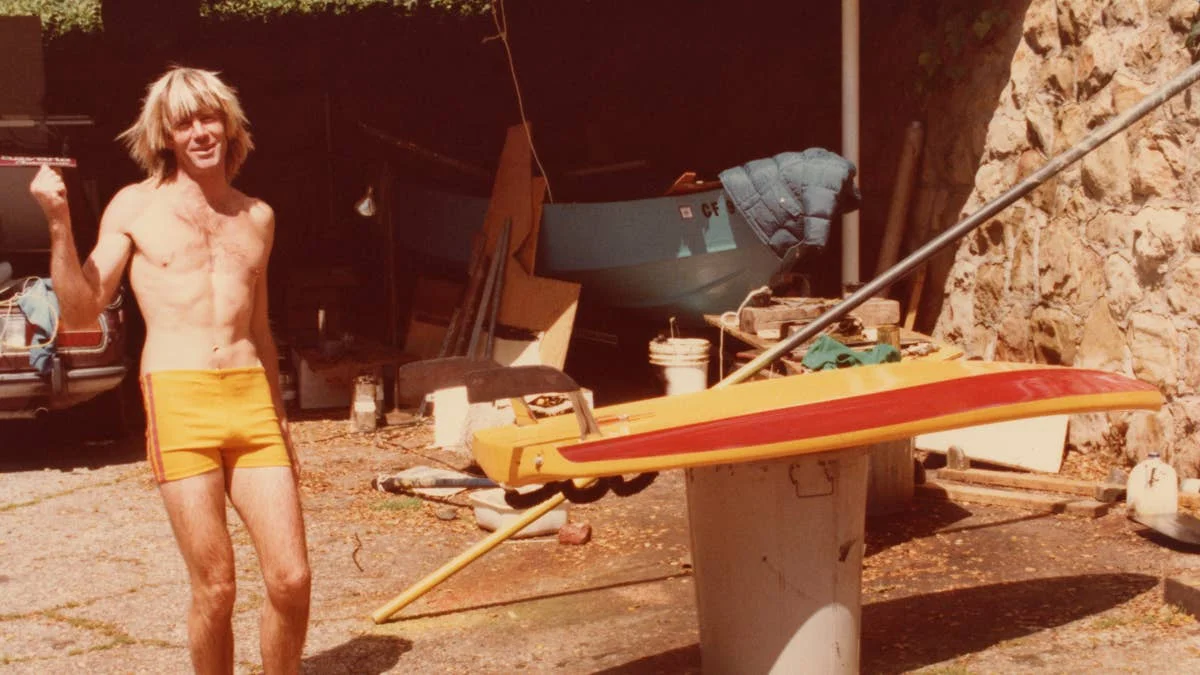
Tom Blake had experimented with twin fins decades earlier, but Mark Richards’s 1976 design brought the twin fin into wider focus. Richards saw limits in the single fin, particularly in smaller surf, and pursued a setup that offered more maneuverability. Twin fins weren’t suited to every large-wave situation, but they opened up a distinct style of surfing that remains popular.

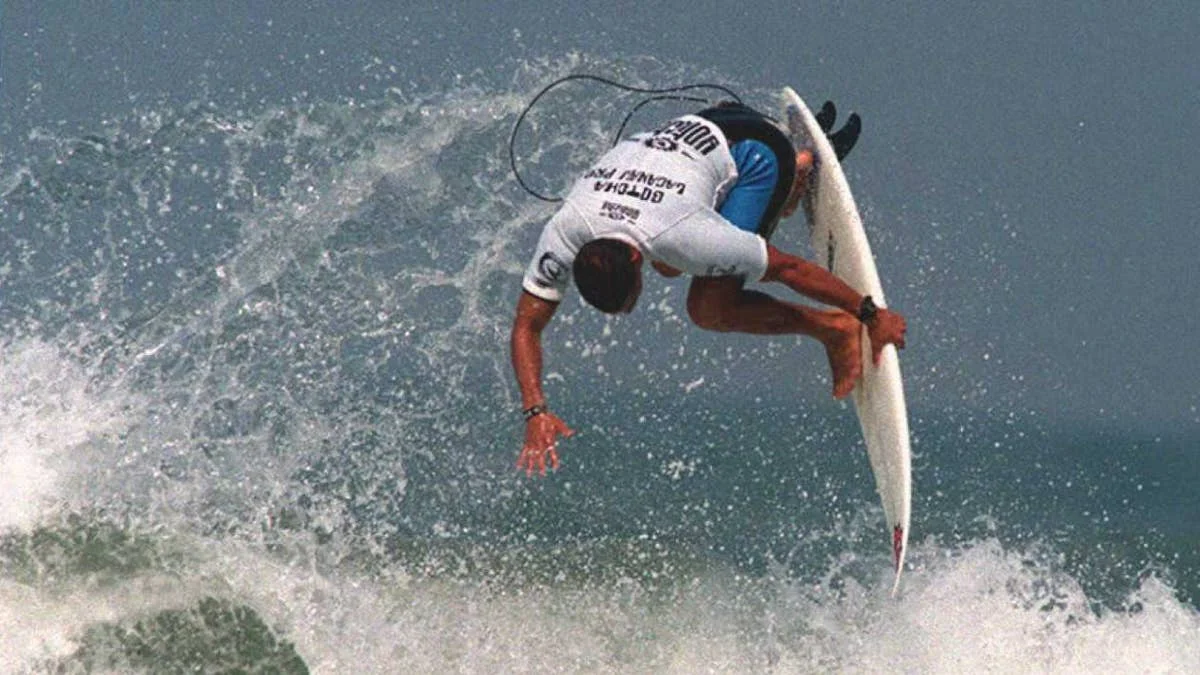
In 1981, Simon Anderson introduced the thruster: two side fins with a center fin. The configuration gave surfers more drive and confidence, helping support a faster, more powerful style of performance surfing. Board rocker—the curve along the board’s length—also drew more attention as shapers worked to help surfers enter steeper waves earlier. Shapes and materials have changed since then, but the thruster remains central to performance designs.

Computer shaping and a return to variety
Through the 1990s, thrusters became familiar, while shorter and thinner boards gained ground. Shapers continued to test tail designs, rail thickness and concaves. Computer aided design brought more precision to shaping and made it possible to produce boards at scale in locations around the world.
By the 2000s, some surfers were looking beyond narrow, highly rockered performance boards. Fish, retro designs and wider shapes returned, now built with contemporary materials. Volume became a more prominent factor in choosing a board, and many surfers assembled quivers with different shapes for different conditions. EPS foam and epoxy resin gained traction as alternatives to polyurethane and polyester. Hybrid designs, combining traits of fish and performance boards, found a place between those categories.
Materials and mid-lengths shape the current chapter
Computer aided design is now common, supporting precise profiles and production across the globe. The 2010s also brought wider use of grovellers, designed to help surfers perform in weaker waves. Carbon fiber offered another way to tune flex and durability. Channel Islands, for example, developed Spine-Tek, a precision engineered stringer running down the center of the board, and added carbon patches to tails to improve survivability.
More recent designs reflect a stronger interest in materials with a smaller environmental footprint. Bio-resins and blanks made from bio-polyester, including Polyola, are gaining market share. The mid-length has returned as well. Paired with a pin tail and twin fins, it can offer a more forgiving ride in larger, more powerful waves with open faces.
Surfboard design has repeatedly moved between specialized performance and broader versatility. The current mix of material experiments and revived shapes suggests that the next advances may be measured not only by how a board turns, but by how it’s made. The lasting challenge is to improve the ride while bringing board construction closer to the natural world that makes surfing possible.


