Formula 1’s debates about online abuse, engine direction and global growth all lead to a question of responsibility: who should shape the sport’s future, and how? In an interview before the 2026 United States Grand Prix at Circuit of the Americas, FIA President Mohammed Ben Sulayem argued that drivers, teams, media, technology companies and the FIA each have a part to play. He also backed a return to V8 engines and identified access to karting as a measure of his time in office.

Abuse aimed at people in the paddock had become a recurring subject during the Austin race week. Alpine driver Franco Colapinto said his fans’ online attacks had crossed a line, describing how his mechanics and engineer were receiving hostile messages. “It just hurts me in general,” he said.
Max Verstappen had raised a related concern after a penalty in a GT World Challenge Europe race in Portugal. Team Verstappen received a drive-through penalty after Chris Lulham was judged to have caused a collision, and Lulham then faced a wave of abuse. Verstappen said he could shrug off insults directed at himself, but objected to attacks on a young driver who was less accustomed to the attention.
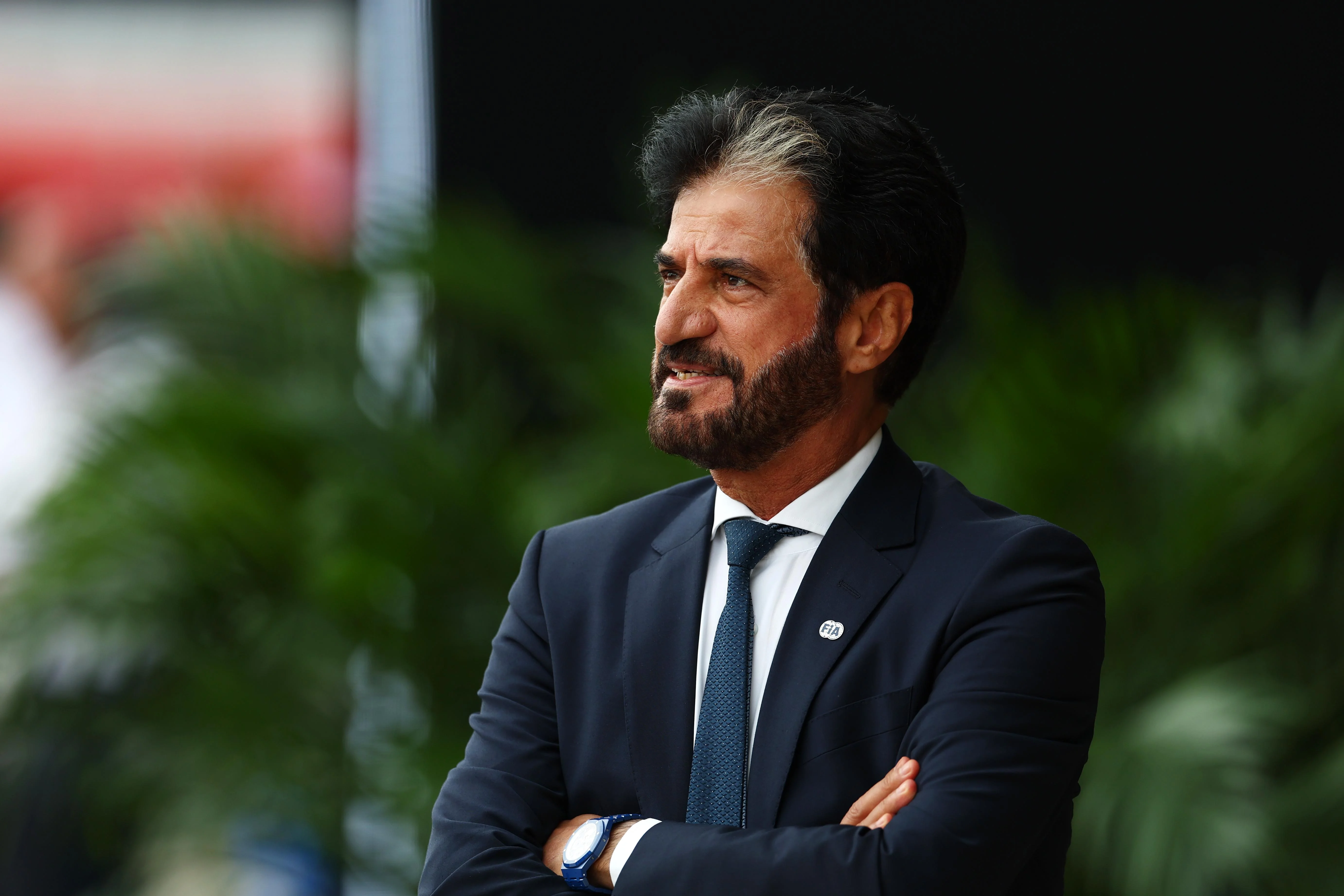
Those incidents gave the issue a human scale before Ben Sulayem addressed it ahead of the Grand Prix. He called online abuse “a sickness and a plague,” and said its reach posed a threat to motorsport. His emphasis went beyond drivers: officials, volunteers and journalists can also become targets.
Online abuse calls for action across the sport
The FIA launched its United Against Online Abuse coalition in 2023. The initiative brings together sporting bodies, technology companies, governments and universities to study digital harassment and find ways to address it. Ben Sulayem said that work can’t succeed through the FIA’s efforts alone.
He cited a stark example: Pierre Gasly had received 13,000 threats to his life, according to the FIA president. He also recalled an FIA steward being threatened with death. Stewards are volunteers, he said, underscoring that abuse can reach people who serve the sport without being professional athletes.
Ben Sulayem called for education and awareness, alongside consequences for people who target others. He said the FIA has the authority to ban spectators or media members from its events, and argued that publicly identifying offenders could deter others. He also praised a message from Alpine executive Flavio Briatore to Colapinto’s fan base: if the abuse continued, access to the driver could be blocked.
Responsibility, in Ben Sulayem’s view, extends to the drivers themselves. They can tell fans that abusive behaviour is unacceptable, he said, because drivers are ambassadors and role models. Teams and journalists have roles too, as do governments, federations and technology companies capable of blocking abusive accounts.
That’s a broad call to action, and it leaves open how different groups should coordinate or measure progress. Still, the Austin remarks reflect a shift in how the issue is discussed: harassment is treated as a problem for the sport’s institutions and platforms to address, rather than as an unavoidable cost of public attention.
Why Ben Sulayem wants V8 engines back
The 2026 power-unit rules have also become a point of contention. Formula 1 introduced major technical changes that season, with the power balance moving toward an almost even split between battery power and the internal combustion engine. Reviews have been mixed, and fans have renewed calls for V8 engines.
Ben Sulayem offered a clear answer when asked whether the V8 would return: “Oh, yes, I mean, the V8 is coming.” He described the change as important for both the sport and its business, arguing that the current engine formula had become too complex. His criticism focused on the MGU-H and MGU-K systems and on the workload placed on drivers to manage battery power.
His preferred principle is simplicity, though he doesn’t equate that with an absence of technical progress. In his view, simpler engines could reduce complexity for teams while letting drivers focus on driving. He also pointed to the sound of a V8 as part of its appeal, distinguishing the quality he wants from sheer volume: “Not noise. Sound.”
The interview establishes Ben Sulayem’s position, but doesn’t set out a timetable or technical specification for a new engine formula. His comments make clear that the case for a V8 rests on more than nostalgia: he links it to cost and complexity, the driver’s role and the experience of watching a race.
Growth depends on access as well as new races
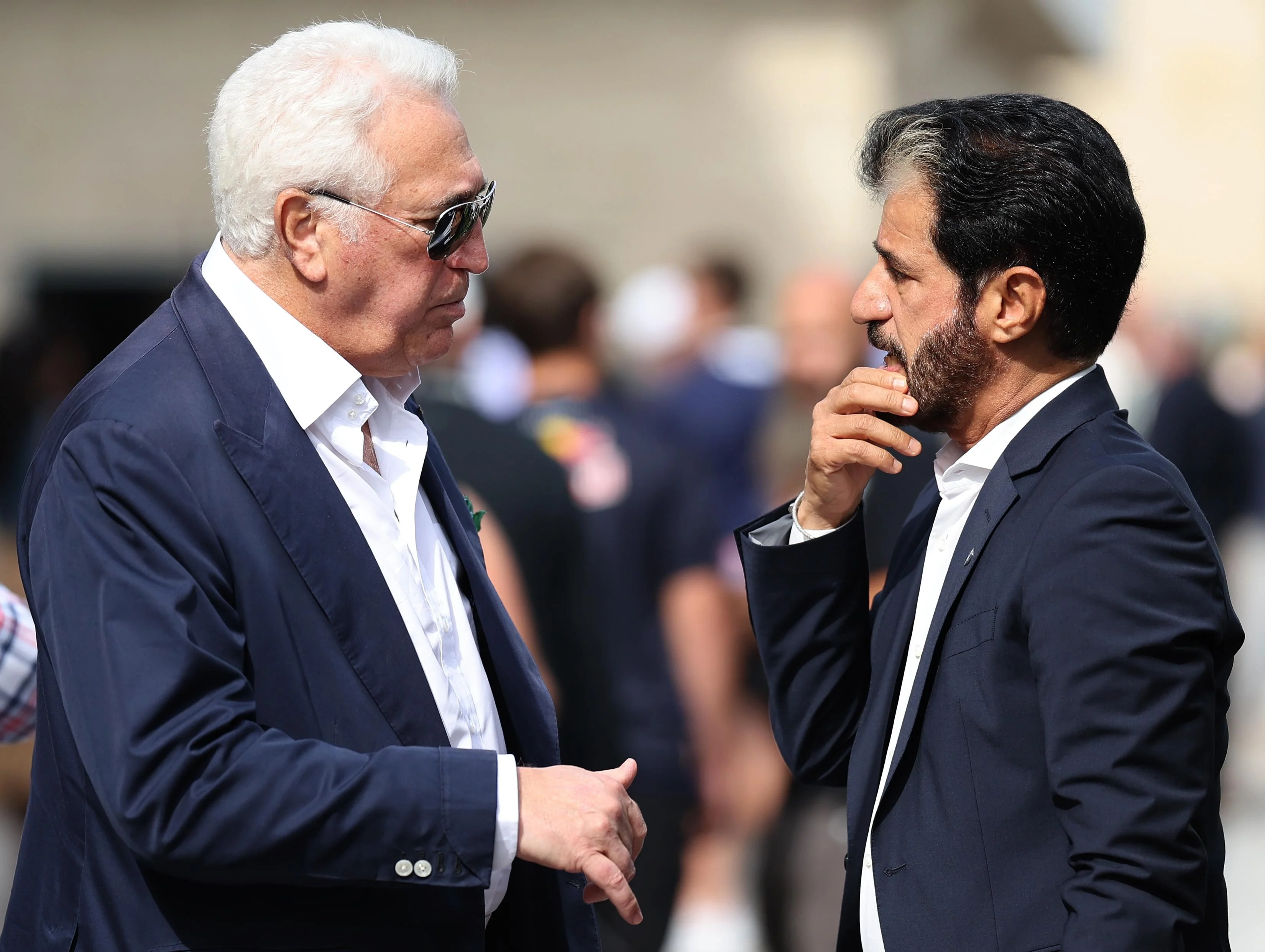
Formula 1’s expansion gives the FIA another balancing act. The sport is reaching new audiences and adding destinations: the source cites a planned African Grand Prix at a new circuit in Rwanda, a Madrid street race for the Spanish Grand Prix and Türkiye’s return to the calendar the following year. The challenge is to grow without losing what established fans value.
Ben Sulayem described a sporting event as a combination of competition, entertainment and business. The mix can look different from one market to another. In the United States, he said, some spectators at Miami, Austin or Las Vegas may be there to enjoy the occasion without following the race closely. He doesn’t see that as a problem in itself.
His own measure of growth starts further down the ladder. Karting, he said, is where many drivers begin and should be treated as central to motorsport’s future. He said the FIA was establishing a standalone department for grassroots racing, building on an active commission. Some funds from penalties imposed on teams would support that work, he added, and the FIA would run its own karting championship for the first time in its 122-year history.
That focus offers a practical test of the FIA’s ambitions. New races can broaden the sport’s reach, but participation at the grassroots level determines whether access extends beyond the grandstands. Ben Sulayem described the FIA’s mission as “fairness, safety, and growing motorsport,” and said affordability and improved regulations would be part of making the organization more accessible.
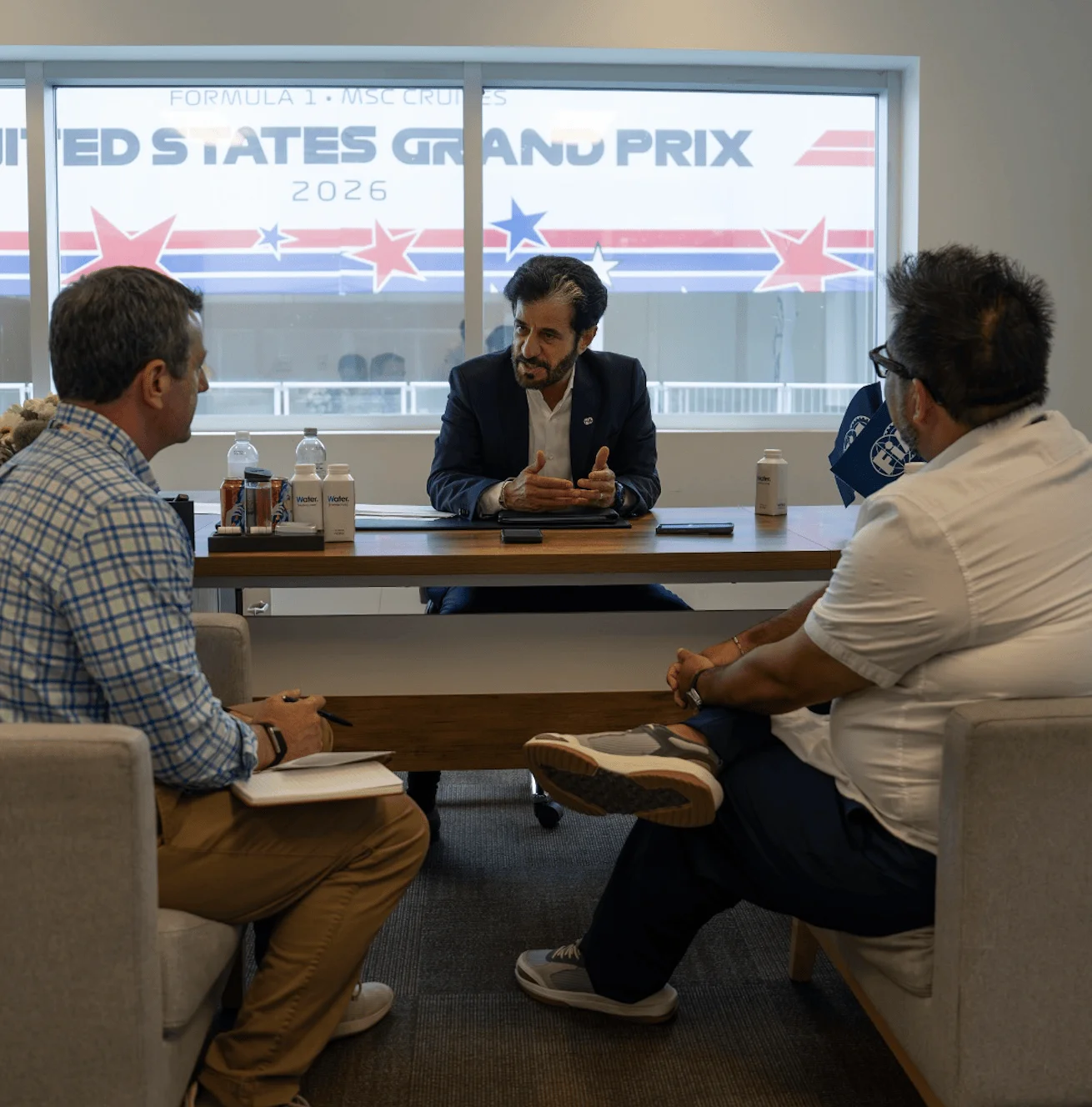
Asked what would make his presidency successful, Ben Sulayem pointed to repositioning the FIA, strengthening its structure and finances, and keeping its objectives clear. He also cited the addition of General Motors’ Cadillac team to Formula 1 as a point of pride, saying the organization should be open to selected teams joining the championship.
He framed the presidency as a responsibility rather than a job, noting that he doesn’t receive a salary. His wider agenda is similarly defined by obligations: the sport must address abuse, make racing less complicated for drivers and teams, and build pathways into motorsport. Whether those priorities translate into lasting change will depend on what the FIA and its partners put into practice next.


