Surf travel can bring visitors to world-class waves while leaving nearby communities with little benefit. Waves and Love, a platform launched by Thomas Vesper in September, is built around a different proposition: pair surf itineraries with local NGO work and direct some travel spending to those organizations. The idea addresses a familiar tension in tourism: visitors may value a destination for what it offers them while having few meaningful ties to the people who live there.
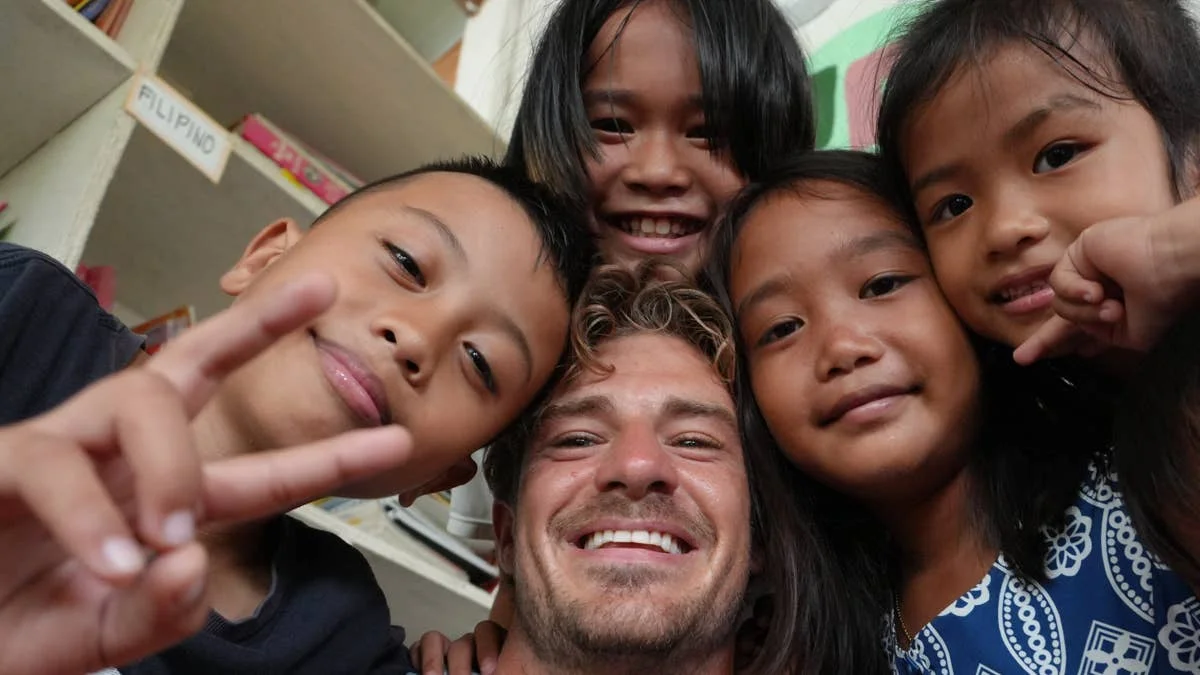
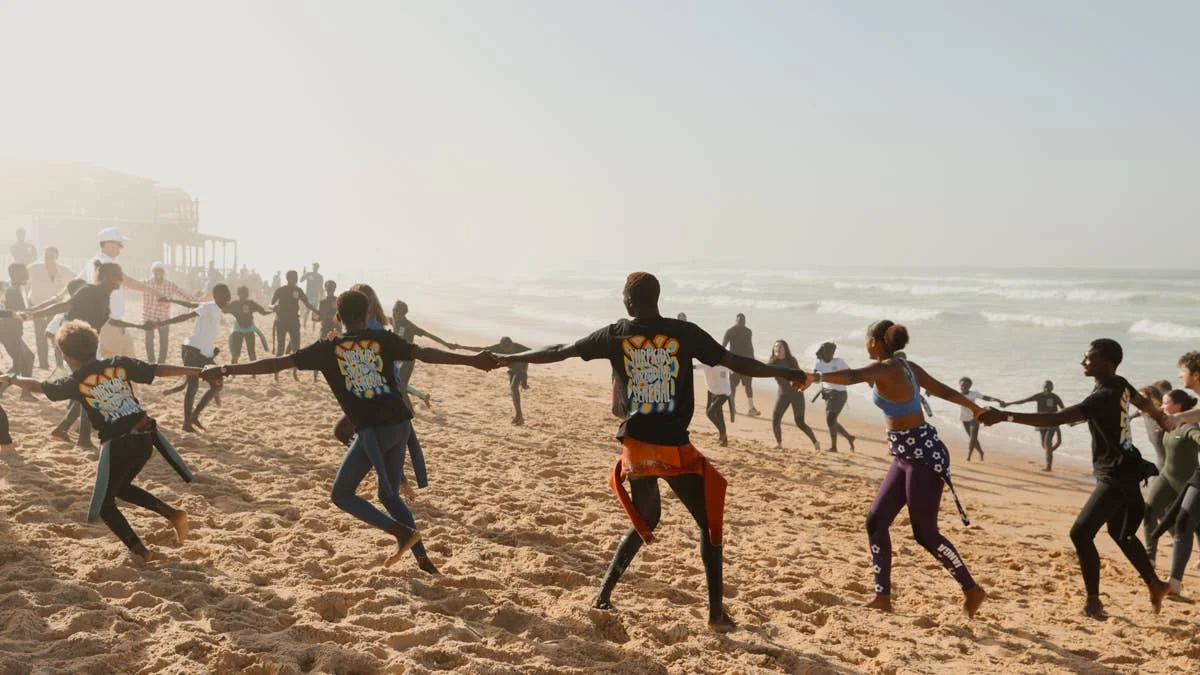
The service connects traveling surfers with charities near their destinations, matching volunteer opportunities to their interests. Projects range from animal welfare to teaching children to surf. Rather than treating community involvement as an incidental extra, the platform puts it alongside the itinerary itself. That distinction matters: travelers are more likely to participate when they can see what’s available and how it relates to their skills, while small organizations can reach people who are already nearby.
The aim is to give visitors a way to contribute their time and skills during their trip, while helping smaller organizations gain funding and practical support. Those are different kinds of contributions, and neither is automatic. A volunteer’s presence is useful only when it fits an organization’s priorities; money matters only if it reaches groups that can put it to work. Waves and Love’s promise therefore depends on the quality of its local relationships, not just the appeal of combining travel with a cause.
Courtesy Waves and Love
Building links between surf spots and local groups
Vesper’s idea grew out of two parts of his career: traveling to surf, then studying international development and working in the NGO sector. “I sat down and asked myself what I really loved doing. I loved surfing, traveling, and the humanitarian and NGO sector. Why not try to combine all three?” he said. The combination gives the project a practical starting point: it speaks to surfers who already travel, while drawing on Vesper’s experience with organizations that could benefit from visitors’ involvement.
While traveling in Nicaragua and Costa Rica, he saw community organizations and NGOs operating close to popular surf breaks. Many, he said, lacked visibility, funding and volunteers. Their proximity to a tourist draw doesn’t necessarily make them visible to people arriving for the waves. A platform that introduces visitors to those groups could help bridge that gap, though awareness alone won’t resolve shortages of money or staff.
Waves and Love is intended to connect those groups with travelers who might otherwise spend their time away from the water without engaging with the local community. The service frames that connection as part of the trip, not as a separate charitable campaign. Here’s the thing: that approach can make participation easier to imagine, but it still has to respect what local organizations actually need. A well-meant visit can become another demand on a small team if the activity isn’t planned around its work.
The platform has partnerships with NGOs in Peru, the Philippines and Senegal, and is exploring expansion to Brazil and Mozambique. That gives the project a foothold across several destinations, while its expansion plans remain prospective. Vesper says his own volunteer experience in Peru shaped the approach: “Having volunteers contribute their time and skills can make a huge difference to a small NGO. Everyone has something they can bring to the table.” The qualification is implicit: people bring different skills, and organizations have to be able to use them.

Courtesy Waves and Love
Partnerships begin with a video call, followed by an in-person visit from Vesper. He meets the organization, learns how its work is run and builds a relationship before setting up a collaboration. That sequence recognizes a limit of remote introductions: a call can establish interest, but it can’t show how a group operates day to day or whether a proposed activity fits its plans. In-person visits also take time, which may make careful growth slower than simply listing more organizations.
“Building a human connection, meeting people, and developing trust are essential,” he said. “I want our collaborations to be based on trust, rather than relying entirely on video calls.” (and this is the part most people overlook) Trust isn’t a decorative value for a project like this; it’s what lets a local group say what would actually help, and lets a visitor understand the limits of their role.
A different model for surf tourism
Vesper’s broader concern is that surf tourism can function as a one-way exchange: visitors arrive from wealthier countries, spend money at foreign-owned businesses, take waves and leave, while local people have limited access to the benefits. This pattern can leave communities near popular breaks bearing some of tourism’s effects without sharing much of its economic upside. Waves and Love aims to give travelers a more direct connection to residents and support organizations working in those communities.
That’s a meaningful goal, but the platform’s stated approach is a link between travelers and NGOs, not a wholesale change to how surf tourism works. Its reach will depend on whether visitors take part, whether organizations find the support useful, and whether the connections last beyond a single trip. The numbers here are underwhelming in one sense: the article offers no measure of how much funding or volunteer work has flowed through the platform. That makes its model easier to describe than its results are to judge.
“I want to avoid a situation where more and more countries become Bali 2.0. Surf tourism is becoming increasingly significant, and the surf industry is expanding rapidly,” Vesper said. He added that communities can be left out of the tourism economy while the ocean receives inadequate care. “I want this project to help include local communities and give surfers a more authentic experience by connecting them with the people who live there.” His concern points to a wider question for surf destinations: who gets to shape tourism, and who sees a return from it?
Courtesy Waves and Love
What the model needs to prove
If you're working in this space, the key test is whether a project can keep local organizations in control of the terms of participation. Matching a surfer’s interests to a volunteer opportunity is a useful start; good coordination must also account for the organization’s time, capacity and priorities. Otherwise, the visitor’s sense of having helped can outlast the practical value of the visit.
This is more significant than it looks. Surf travel already brings people into close contact with places they may know mainly through the break, and a structured introduction can make that contact more reciprocal. But a compelling premise isn’t evidence of lasting impact. The platform will have to show, through the experience of its NGO partners, that volunteer time and travel spending address needs those groups have identified.
Its premise is straightforward: a surf trip can include more than time in the lineup when travelers meet the people and organizations already shaping life around the break. The harder work is maintaining those relationships as the platform grows, and showing that community benefit isn’t just part of the pitch. A connection made. A contribution that the local group can actually use.


