Born Slippy’s Aptus 1.0 puts a sharp question to surf buyers: how much is a custom fit and a warmer suit worth? At €1,295, the men’s and women’s 5/4, 4/3 and 3/2 models sit among the surf market’s most expensive wetsuits. The British brand plans to make 1,000 individually numbered suits worldwide, then end the line.
Founder Charles Gadsdon says the price reflects a combination of materials, craftsmanship, individual fit and technical construction. “It’s not about one standout feature, but bringing everything together without compromising on the specification,” he said. That package includes Yamamoto neoprene, alternative thermal technology and a made-to-measure fit.
Born Slippy
Warmth is the central claim
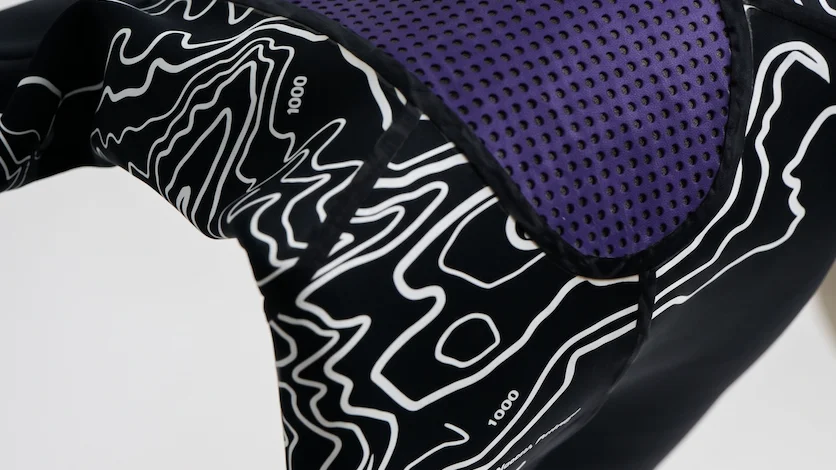
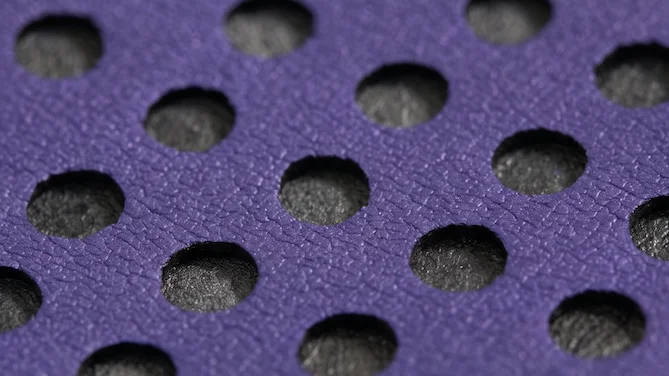
Aptus 1.0’s thermal system, which Born Slippy calls Micro-chamber thermal insulation, is built into the suit’s lining. Gadsdon describes hundreds of shallow pockets across the interior, similar to the dimples on a golf ball. A small amount of water enters the suit and collects in the pockets near the skin; body heat warms it there.
Andrew “Cotty” Cotton, the brand’s Founding Athlete and Partner, has tested the suit and provided technical feedback. He says the first model felt “like having a radiator against your chest.” Testing in Devon and during the early season at Nazaré has also gone well, he said, adding that the lining feels lighter and warmer than standard fleece.
Those reports make warmth a persuasive part of the pitch, but the technology still has to prove itself against established alternatives. Rip Curl’s E-Dry Thermal Lining and Quiksilver’s PrimaLoft® bio stretch are among the systems already competing for surfers’ attention. In a category crowded with technical claims, real-world comfort and performance will carry more weight than the name attached to a lining.
A small-run challenge to surf retail
The 1,000-suit cap creates scarcity, but Gadsdon frames the limit as a production choice: make fewer products and focus on quality instead of chasing volume. His stated principle is “Fewer. Better.” The plan tests whether a niche wetsuit business can find enough buyers at a premium price without building a mass-market range.
Custom surf wetsuits already have a place in the market. Japan’s Axxe makes handcrafted suits priced between $750 and $1,000, while UK maker Snugg has produced made-to-measure wetsuits for decades, with a larger presence in triathlon. California brand 7TILL8, another custom option, closed in March after eight years. A custom surfboard is familiar territory for many surfers; paying a substantial premium for a custom wetsuit is a different proposition.
From brand building to wetsuit design
Gadsdon came to the product from outside surfing. Born in Britain, he spent two decades in the music business working across music, brands and culture, with companies including Apple, Google, Nike, Coca-Cola and Samsung. His shift toward wetsuits began with research at the 2019 World Junior ISA Games in Huntington, where he asked a young competitor what he wanted from his equipment.
The athlete’s answer changed the direction of the project. He wanted the best equipment, not a product defined by its sustainability credentials, Gadsdon recalled. That led him to pursue performance and argue that those priorities needn’t conflict with sustainability.
Cotton sees Gadsdon’s outside perspective as an advantage. “He’s thinking outside the box,” he said. But he also points to the measures that will decide whether the suit earns its place: performance, comfort and durability. For Born Slippy, the real test is whether enough surfers feel those qualities justify €1,295—and whether the first 1,000 suits can make the case for a business built around a limited run.


