Zoe Grospiron’s strongest season didn’t feel like a victory. In 2024, the French longboarder won her first Longboard Qualifying Series event, reached her first World Longboard Tour final and finished sixth in the world. The results were career highs, but the satisfaction she expected never arrived.
She chose not to return to the tour in 2025. Instead, Grospiron stepped away to work out what surfing means to her without heats and rankings setting the terms. Her short film Unfolding, made with filmmaker Thibault Montoni, follows that reset through a trip to Indonesia, different boards and a looser, more personal approach to riding waves.
“I was constantly pushing my limits, and eventually I lost the love of surfing,” Grospiron said. After taking time away from the water, she returned wanting to “dance with the wave” instead of replaying what she should have done on it.
Getting beyond the contest circuit
For Grospiron, the break has also changed how she travels. A tour stop can mean just five days in a place: competitors focus on the event wave, their heats and training, with little room to meet local people or experience much beyond the competition routine.
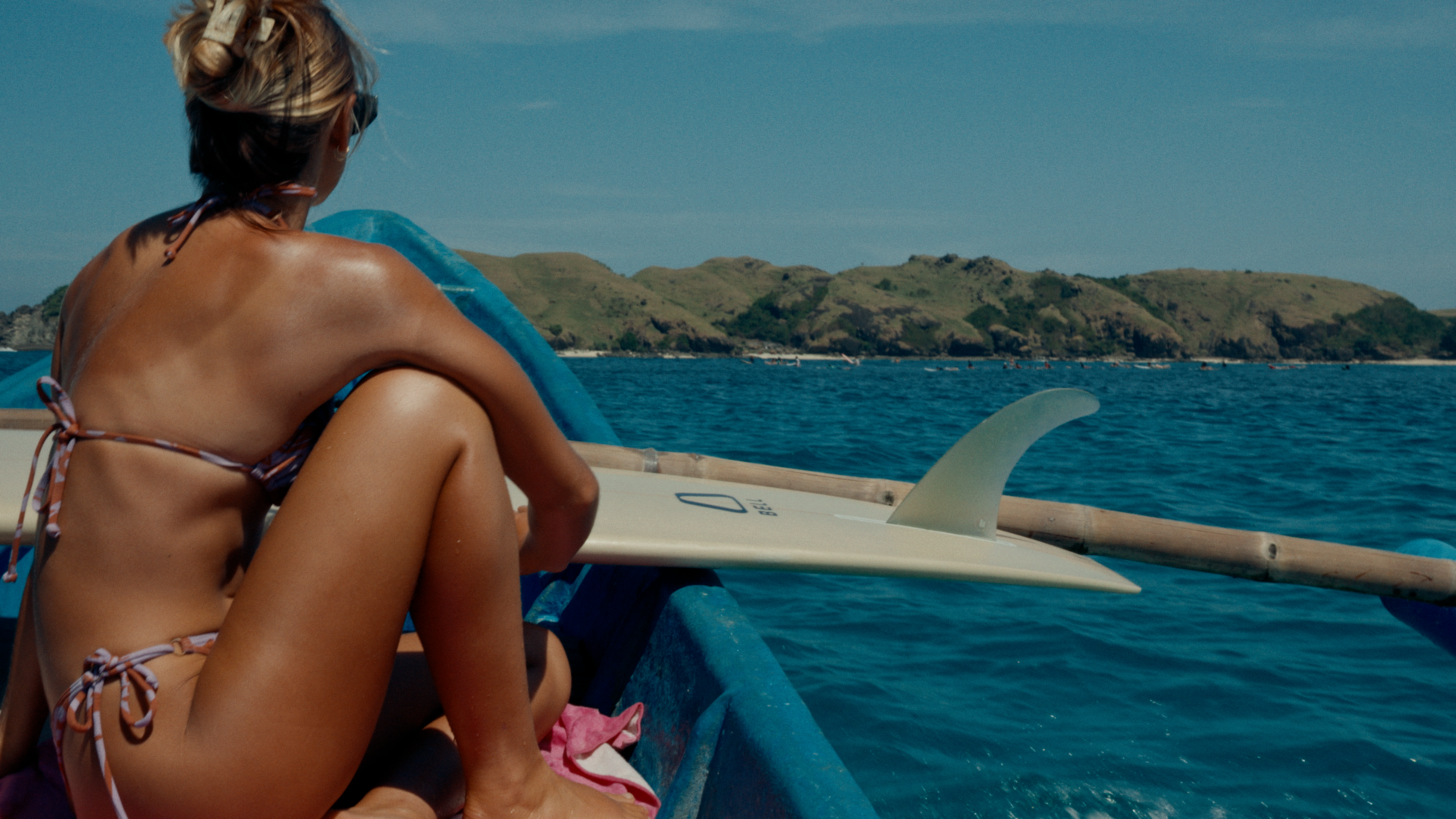
“You surf the same spot at different times, but you never connect with the locals or explore because you want to spend as much time as possible getting to know the wave,” she said. “I’ve been to so many places where I don’t know the locals, culture, food or people.”
Thibault Montoni
She sees that distance from local life as a loss for surfing itself. “The surfing community is so good, beautiful and rich because we’re all over the world,” she said. Competition can sharpen focus, she added, but it can also crowd out the sport’s purpose: “gathering, sharing and connecting.”
Her time away has taken her through Indonesia, Australia and New Zealand. Those trips have given her room to meet people and explore, but also to consider who she is outside the competitive schedule. Before surfing, she competed in skiing; she grew up in the French Alps and began racing at seven. After moving to Biarritz as a teenager, she took up surfing and soon began competing there too.
“I lost my creativity, and I didn’t know who I was without competing,” she said. “So when I stopped, I felt lost, I wondered who I was.”
A different measure of self-worth
Years spent moving from one sport’s contest calendar to another had tied her sense of identity to performance. Grospiron had assumed that results shaped how much people cared about her. “I thought I would be loved because of my results, and that people would care about me because of them,” she said. “I thought that if I didn’t get results, no one would be there for me. But that’s not really how it is.”
Thibault Montoni
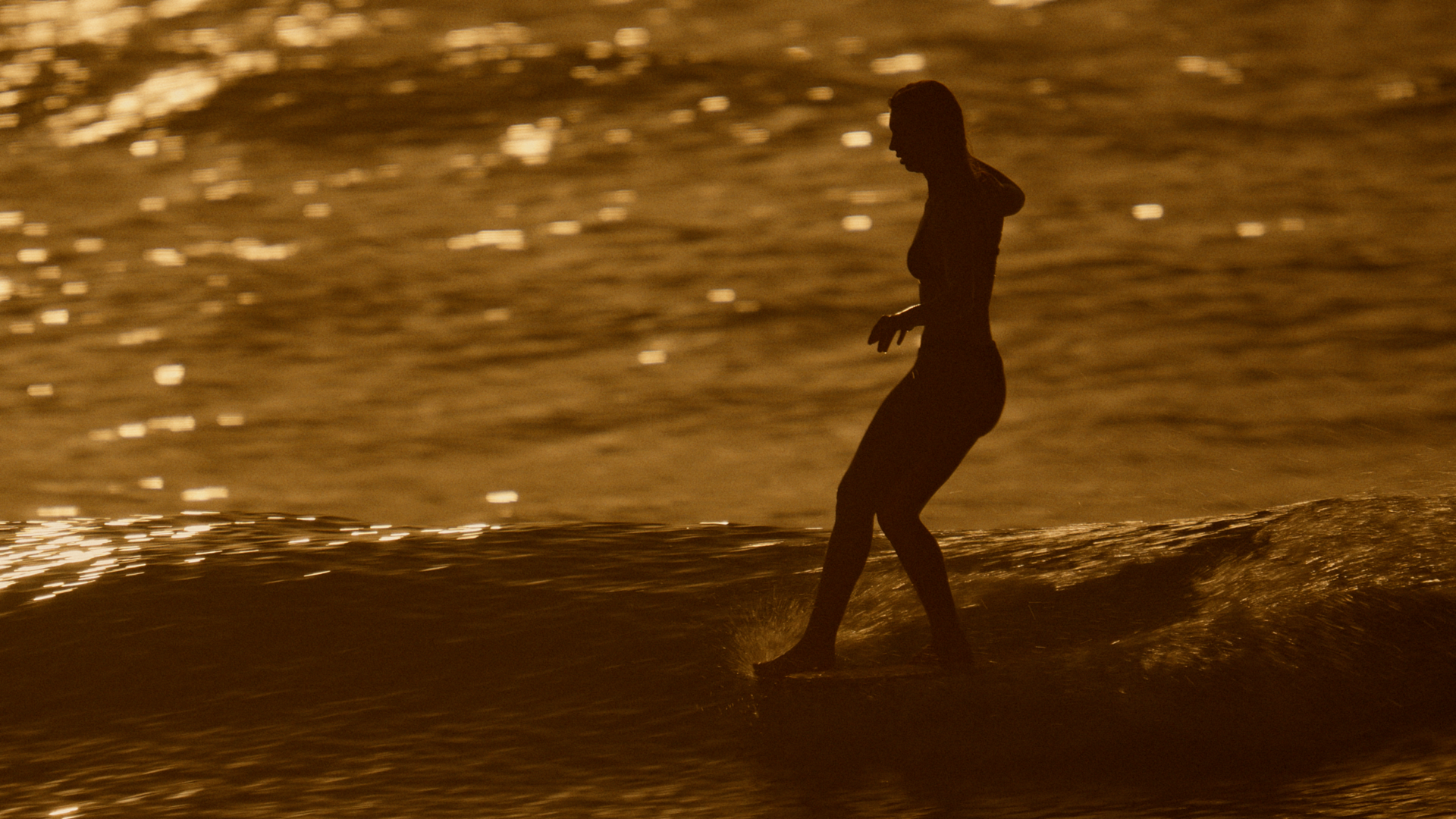
She says she’s beginning to understand what she wants and feel more confident in herself. “It wasn’t a new me; it was another layer that I took off,” she said. Underneath, she found “the little Zoé” who loved nature, the ocean and surfing.
That renewed connection doesn’t settle the question of whether she’ll compete again. Grospiron hasn’t ruled out a return, and longboarding can offer a longer competitive horizon: surfers have won world titles in their 40s. For now, though, even the thought of putting on a jersey brings exhaustion.
Thibault Montoni
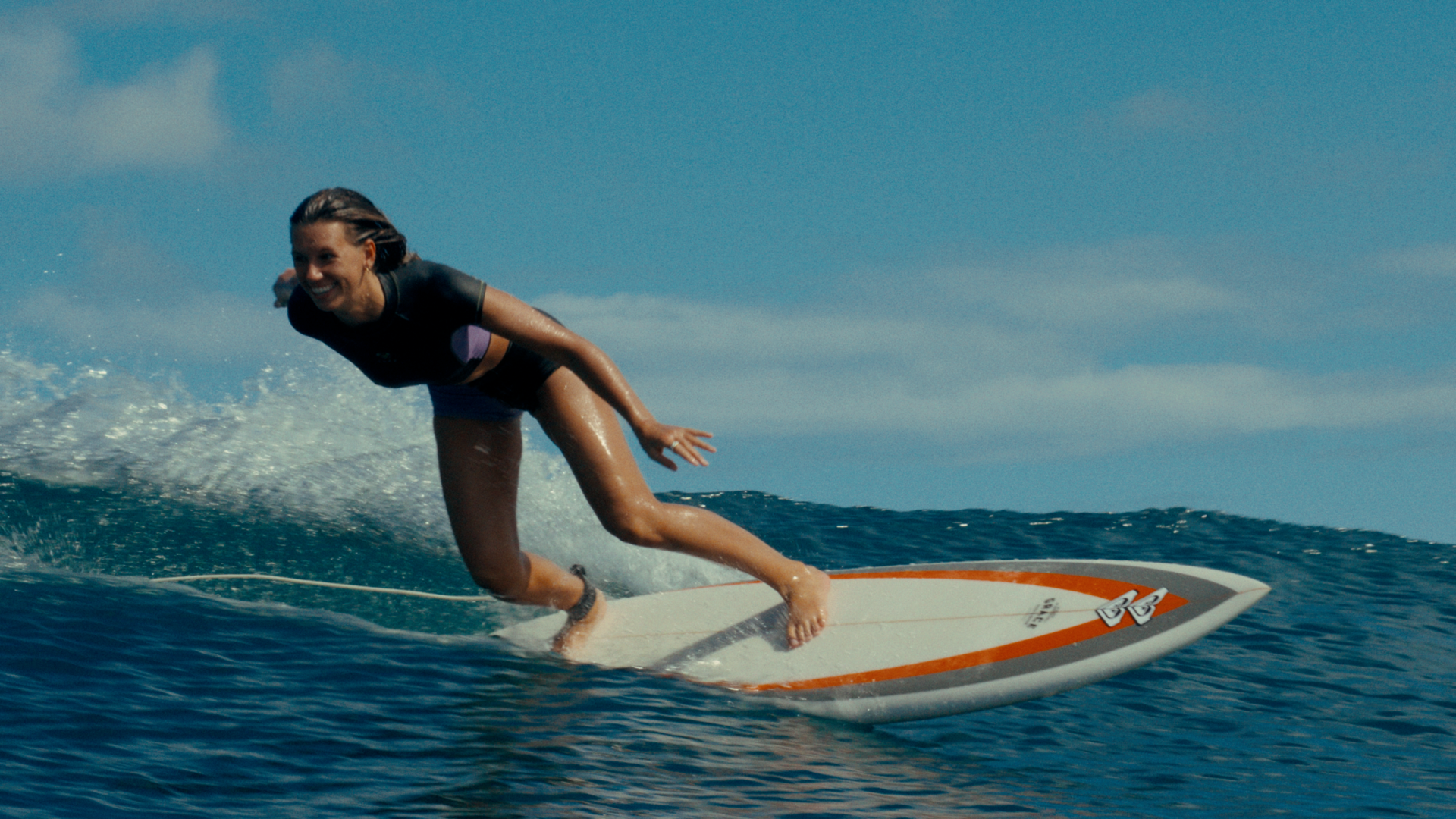
“If I put the jersey on, it’s to have fun, smile, share waves and enjoy myself,” she said. “If I get a score, then we can dance together. If not, that’s okay.”
A return would come with different expectations and a different way of surfing. Grospiron says she doesn’t want to repeat the experience that left her feeling depleted. Her year away has made the terms clearer: competition may still have a place, but the joy of surfing has to come first.


