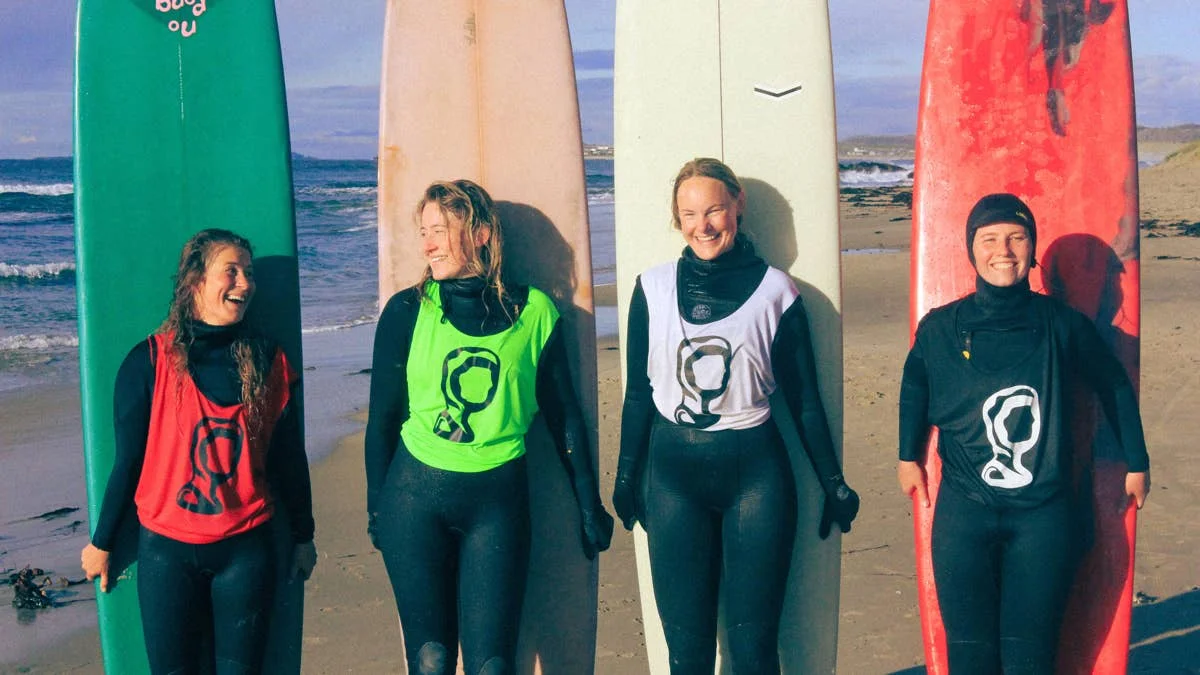
At Surf Fest Scandinavia, women’s participation has become visible in the lineup, the competition field and the event itself. This year, the women’s division filled before the men’s, and female surfers outnumbered male competitors in a traditional longboard contest. The shift offers a practical lesson for surf communities: representation grows when events make room for women and the surrounding culture supports their time in the water.
The annual festival brings Nordic surfers to Stavanger, Norway, for a weekend of surfing, music and community. On its final day, women made up most of a group of roughly 10 surfers out freesurfing. That scene stood out because it looked ordinary to the people around it. The deeper story is how the community arrived there—and what still needs to change.
Surf Fest Scandinavia
Competition makes participation visible
Surf Fest’s influence begins before anyone paddles out. At the opening skippers’ meeting, surfers and judges discussed how waves would be scored. The evening continued with films, drinks and introductions, giving competitors a chance to connect before the contest began.
Swedish filmmaker Jonis Strömberg and Norwegian filmmaker Felix Golden screened Two Days Before the Mingle and Nordic Rippers 2. The program also included Ayo!, directed by Maddie Meddings and Marsela Arnanda. The film follows women in Indonesia learning to swim and surf with OceanFolx, the nonprofit linked in the original story.
That mix of competition, films and social time gives the festival a broader role than staging heats. It puts women’s surfing in front of an audience and makes the community easier to enter. Swedish surfer and musician Sara Bjurbäck, a returning competitor, said the women’s division filled quickly this year and the previous year, while the men’s field did not. At this year’s event, she said, more women than men competed.
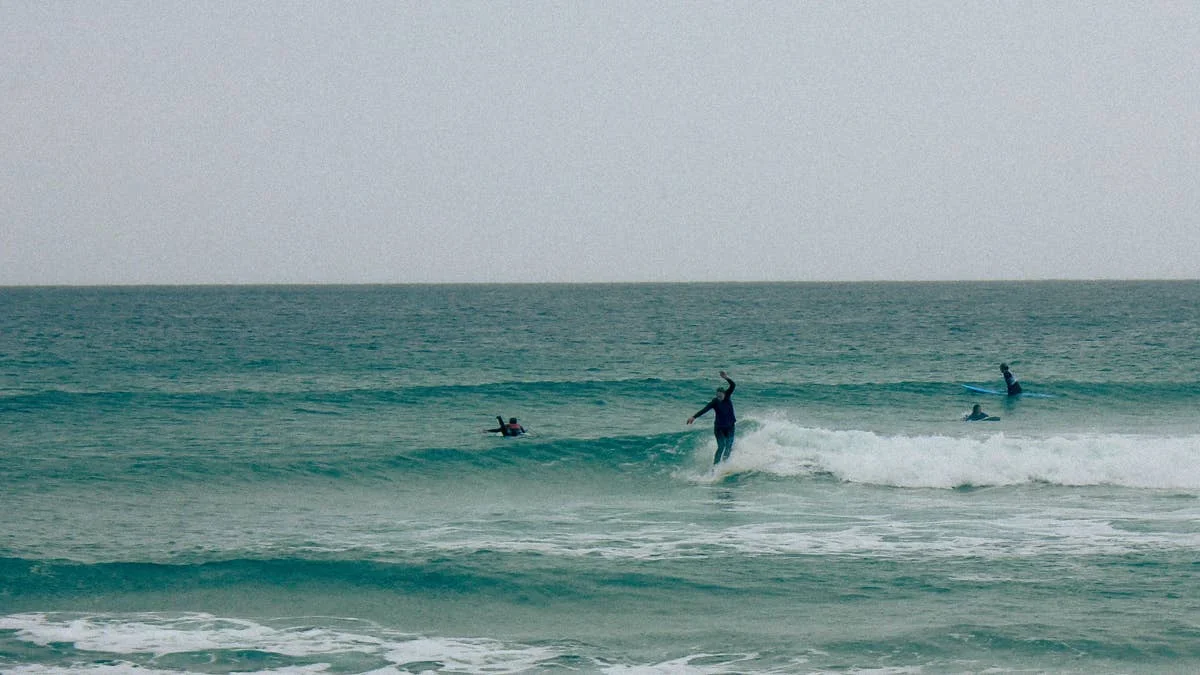
Bjurbäck sees longboarding gaining popularity among women in the region. She also pointed to a social condition that can shape who gets time to surf: in Scandinavia, she said, parents often split childcare, with mothers and fathers taking turns watching children on the beach. That arrangement can give both parents room to develop their surfing.
Surf Fest Scandinavia
Visibility builds a longer history
For photographer and surfer Runa Andersen, the change is striking. Based in Jæren, Norway, for more than a decade, she recalled arriving in the local surf scene in 2014 and finding that women were rarely photographed in the water. She began documenting Norwegian women surfers because she wanted them recognized as role models. Her current project, Queens of the North, is a photobook about female cold-water surfers.
Andersen’s account points to a basic problem with underrepresentation: if women aren’t photographed, discussed or remembered as serious surfers, the next generation has fewer examples to follow. Surf Fest’s visible women competitors, photographers, commentators and judges help fill that gap. They make women’s participation part of the record of the sport, not a side story.
Strömberg, who has attended the festival for years, said a lineup with more women feels less aggressive and improves the atmosphere. He also credited the contest’s equal attention to men and women with influencing how the local community views surfers of both genders. The event’s format matters because it gives women comparable visibility and a public stage on which to perform.
Surf Fest Scandinavia
Equipment remains a barrier
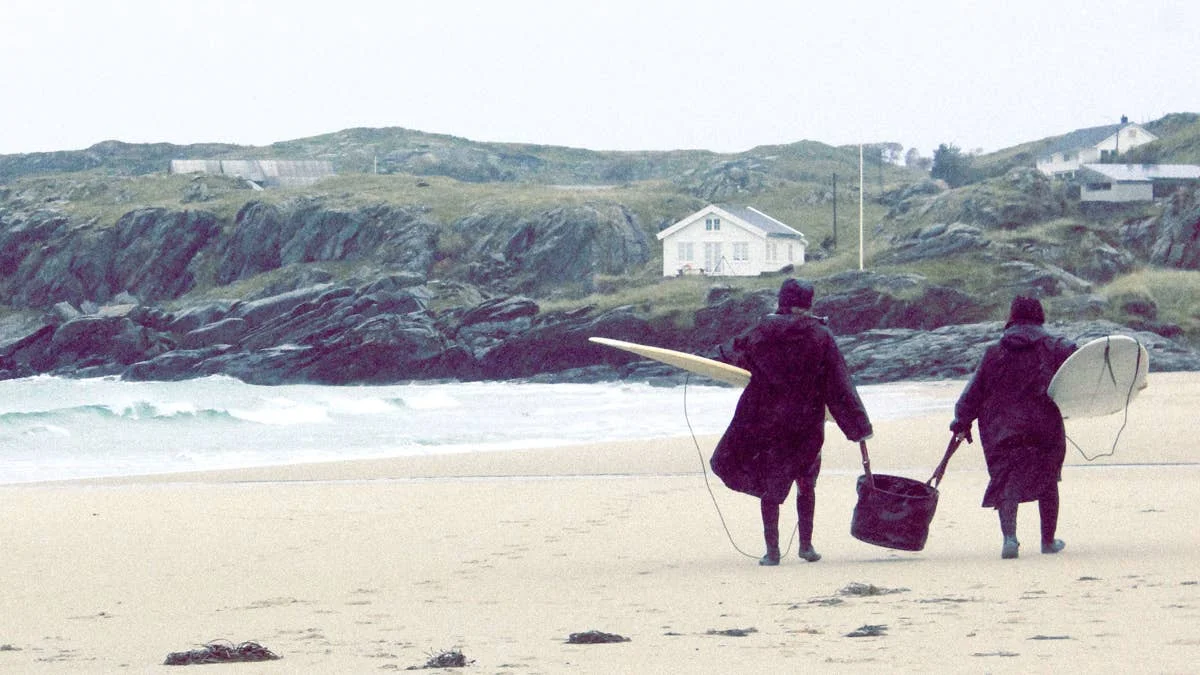
Greater participation doesn’t erase the practical obstacles of cold-water surfing. Swedish surfer Felicia Johnson said women have fewer wetsuit options, and that men’s suits offer more range. Her point is straightforward: equipment designed with a narrower set of bodies in mind can make an already demanding sport harder to access.
Johnson also called for the industry to show more of the women already surfing in cold conditions, so younger surfers can see what’s possible. Those needs reinforce each other. Better-fitting wetsuits support time in the water; more visible surfers help build demand and give newcomers examples to follow. As women’s participation rises in cold-water regions, brands will face a clearer test of whether their product ranges meet the needs of that community.
Equality needs organizers and habits
At the festival’s finals, Lové Berggren won the men’s division with a combined score of 14.33. Denmark’s Johan Vinkel Sisgaard placed second, followed by Norway’s Jonas Karlsen. Johnson took the women’s title with 9.50, ahead of Norway’s Ane Mari Engvik, Bjurbäck and Lisa Berglind.
The results put women’s performance at the center of the event, but the organizers’ choices helped make that attention durable. Strömberg said Berggren’s emphasis on equality carries weight because the community respects him, and that example filters through the local scene. He also pointed to Surfbrudar, a Swedish group that organizes trips and community events for women surfers. Together, events and networks give women chances to see peers perform, build connections and find more opportunities to surf.
The festival’s final image was a group of women surfing while their partners watched children on the beach beside a fire. It captured the everyday support Bjurbäck described: time in the water depends partly on how families share care and how communities make space for everyone to participate.
Scandinavia’s example isn’t a single policy or event that can simply be copied. It’s a pattern: equal attention in competition, visible role models, social groups that connect surfers, and practical support for time and equipment. When those pieces come together, a lineup with many women can stop feeling exceptional—and that may be the clearest measure of progress.


