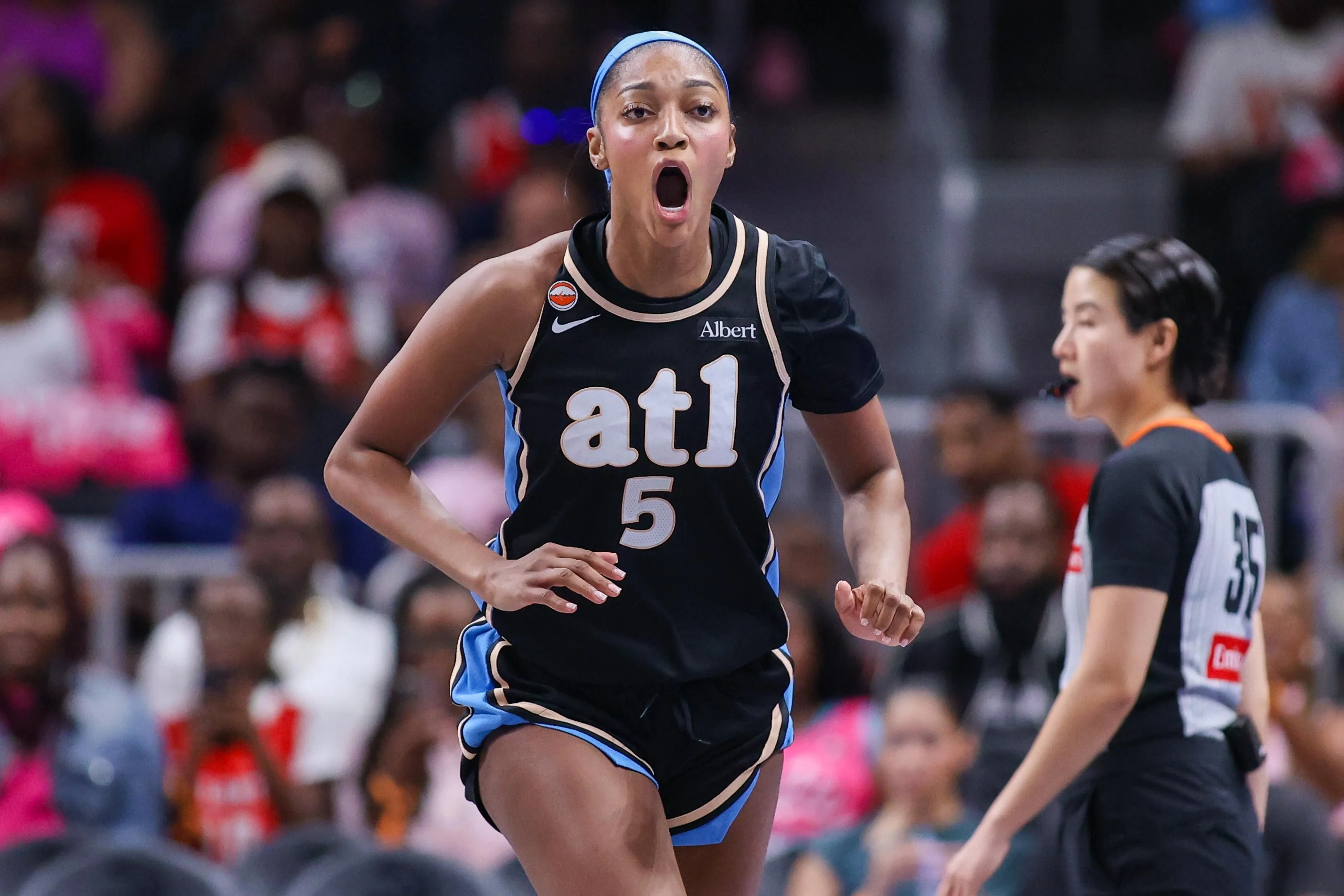
The Atlanta Dream’s Finals crowds are making the case for a larger home. Gateway Center Arena holds 3,800 fans; State Farm Arena seats about 17,000, a difference that changes who can get through the doors as much as it changes the look of the building. The Dream have already sold out State Farm five times this season, and ticket demand for the Finals suggests the bigger venue is warranted. This is more significant than it looks: capacity determines whether a run like this can be experienced by a broad crowd or only by the fans who secure a limited number of seats.
A venue change driven by demand and scheduling
The Dream opened their semifinal series against the New York Liberty at State Farm Arena, winning Games 1 and 2 before the NBA season began. That early access gave Atlanta a chance to play in its larger venue, but it didn't settle the question of where the Finals could be held. With Atlanta Hawks games on the calendar and a Sombr concert booked for Oct. 22, the Finals dates were first assigned to Gateway Center Arena in College Park. The schedule, rather than a lack of interest in a larger crowd, was the immediate constraint.

That plan drew frustration from fans who feared missing a historic Finals run because of the arena’s limited capacity. The concern was straightforward: a 3,800-seat building leaves far fewer opportunities to attend than State Farm Arena, particularly when interest is already high. The schedule shifted to accommodate the concert, while the Hawks agreed to reschedule their home opener. Those changes put Games 3 and 4 at State Farm Arena, where the Dream can open the doors to a much larger crowd. Getting there required several parties to adjust plans that were already in motion.
Ticket demand supports the move
The team hasn’t confirmed a sellout for either Finals game, so claims about a full house should be treated with care. Still, the available signs point to intense demand. Hawks and State Farm Arena CEO Steve Koonin told Front Office Sports that the games were “close to” selling out on Thursday. Fans also reported online that tickets were no longer available, and journalist Meghan Hall said roughly 42,000 people were in the presale queue for the Atlanta home games. A queue doesn't establish how many people will ultimately buy tickets, but it does show how many were trying to get access.
The interest follows a strong regular season at the venue: Atlanta sold out five of the six games it played at State Farm Arena. That record gives the Finals demand useful context, since it shows the larger crowds weren't prompted solely by a short postseason surge. Earlier playoff games used limited seating because the team had little time to prepare, the Dream told Front Office Sports. For the Finals, the arena is set to operate at full capacity. The distinction matters: the team is testing the building at a scale its earlier playoff arrangements didn't allow.
The numbers make the debate over whether a WNBA team can fill an NBA arena feel increasingly beside the point. Atlanta has already drawn full houses there repeatedly, and fans’ response to the Finals ticket release shows why a 3,800-seat venue would have left many unable to attend. Here's the thing: a large venue isn't automatically the right choice for every game, but repeated sellouts and a long presale queue make the case here harder to dismiss. If you're working in this space, the more useful question is how teams can match available capacity to demand without overlooking the practical limits of scheduling.
A short-notice coordination effort
Moving the games required cooperation across the Dream, Hawks, State Farm Arena, the Valkyries, the WNBA and the NBA. That list shows why a venue change can be complicated even when the basic goal is clear: each organization has schedules and responsibilities that must fit together. Renee Montgomery, a former WNBA All-Star and current Dream part-owner, called it a “group project” in an interview with Front Office Sports. “To come and make this happen in such short notice, like people have to understand this was unreal,” she said. The quote captures both the scale of the coordination and the unusual speed required to complete it.
One scheduling question remains if the best-of-seven series extends beyond five games. Game 6 is tentatively set for Oct. 29 at 8 p.m. ET, while the Hawks are scheduled to host the Cleveland Cavaliers at State Farm Arena at 7 p.m. That overlap leaves the location unresolved in the information available so far. The Dream could return to Gateway Center Arena, or the teams may need to coordinate another venue change. Either option would involve a tradeoff between a smaller available room and another round of scheduling work. For fans, the answer will determine where they can watch the series continue.
And yet, this conflict sits alongside a longer-term change. The Dream announced on Oct. 6 that State Farm Arena will become their home venue under a multiyear agreement beginning with the 2027 season. The Finals move offers an early preview of the larger crowds the team expects to welcome there. A permanent home at the bigger arena could make access less dependent on one-off schedule adjustments, though the agreement alone can't tell us how demand will hold across future seasons. The immediate evidence is narrower, but clear: Atlanta's crowd has outgrown the available Finals space at Gateway Center Arena.
What the move signals for the team
The Finals arrangements are a practical test of what the Dream's new home can mean for fans. A bigger building gives the team room to serve more people when interest spikes, while the regular-season sellouts suggest that demand at State Farm Arena isn't confined to the Finals. That said, capacity is only one part of the experience; schedules still have to work, and games need a venue the team can prepare for. The short-notice changes show how much coordination even two games can require.
For now, the strongest conclusion is also the simplest: Atlanta has evidence of sustained interest at State Farm Arena, and the Finals have made the limits of Gateway Center Arena visible. More seats won't answer every question about the team's future, but they'll give more fans a chance to be there. A bigger room, and a bigger test.


