A rare alignment of swell and wind
Southern California’s October swell run gave photographers and surfers a rare combination: repeated powerful surf and Santa Ana winds that groomed conditions along the coast. At Newport Beach, the Wedge delivered its trademark steep drops, heavy closeouts and unpredictable backwash. The appeal was clear in the clean faces; the danger was just as visible in the force and disorder of the water.
The waves demanded precise positioning. With so much water moving, photographer Owen Beim said finding the right place at the right time took work. A good-looking lineup didn’t guarantee an easy shot: waves could shift shape quickly, and the backwash added another variable. When swell and wind aligned, though, the results were memorable across the region’s marquee breaks.
The Wedge in focus
For Jeremiah Klein, strong offshore winds make for compelling photography, even as Santa Anas can bring destructive fire conditions. He described the tradeoff as a tension between appreciating the clean, tube-filled surf and the risks that come with the wind. That tension is part of the story: the same conditions that help produce striking images can also make a stretch of coast more hazardous.
Klein focused much of his time at the Wedge, where the shorebreak’s changing shape regularly produces unexpected moments. One image caught Bobby Okvist sharing a wave with backwash, a reminder that the water doesn’t always follow the clean lines a photograph might suggest. The gallery also takes in Newport Beach, an overhead view of the Wedge and a scene from Oceanside, giving a sense of how broadly the run reached along the coast.
“Selfishly as a surf photographer, strong offshores are my favorite conditions to shoot in,” Klein said. “It was dreamy everywhere along the coast but still hard for me to explore other spots and get variety.”
That limitation matters. A photographer can recognize excellent conditions and still be constrained by time, access and the difficulty of moving between active breaks. The resulting images show a vivid slice of the run rather than a complete survey of it.
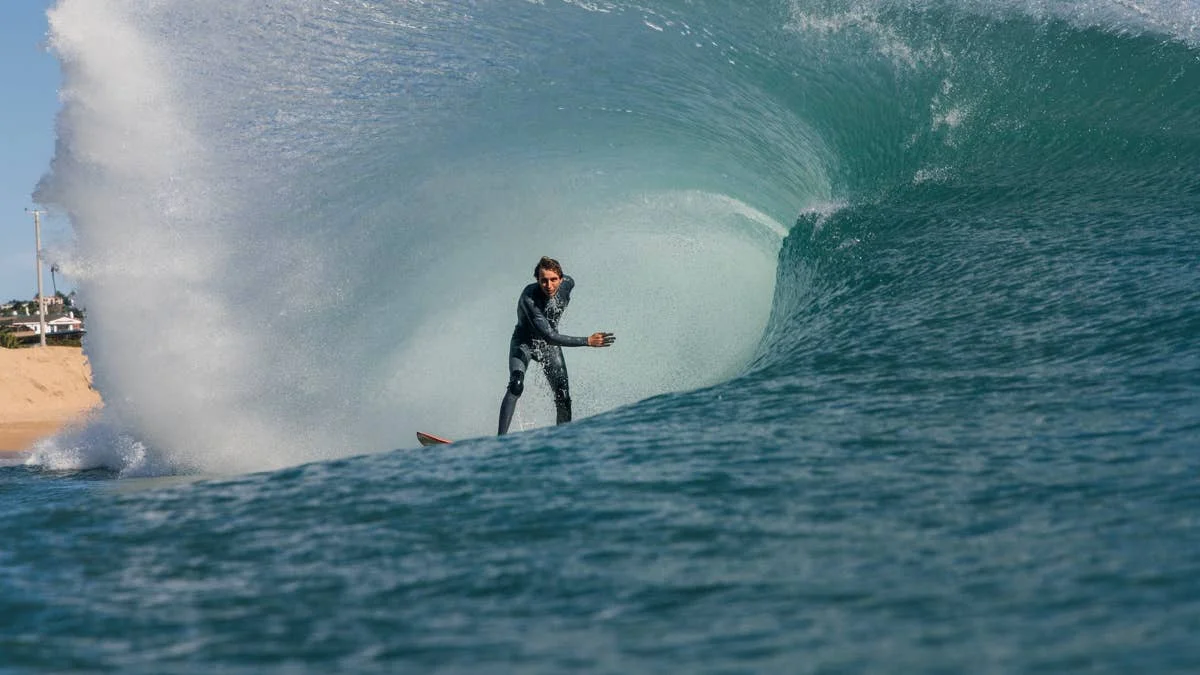
Jeremiah Klein
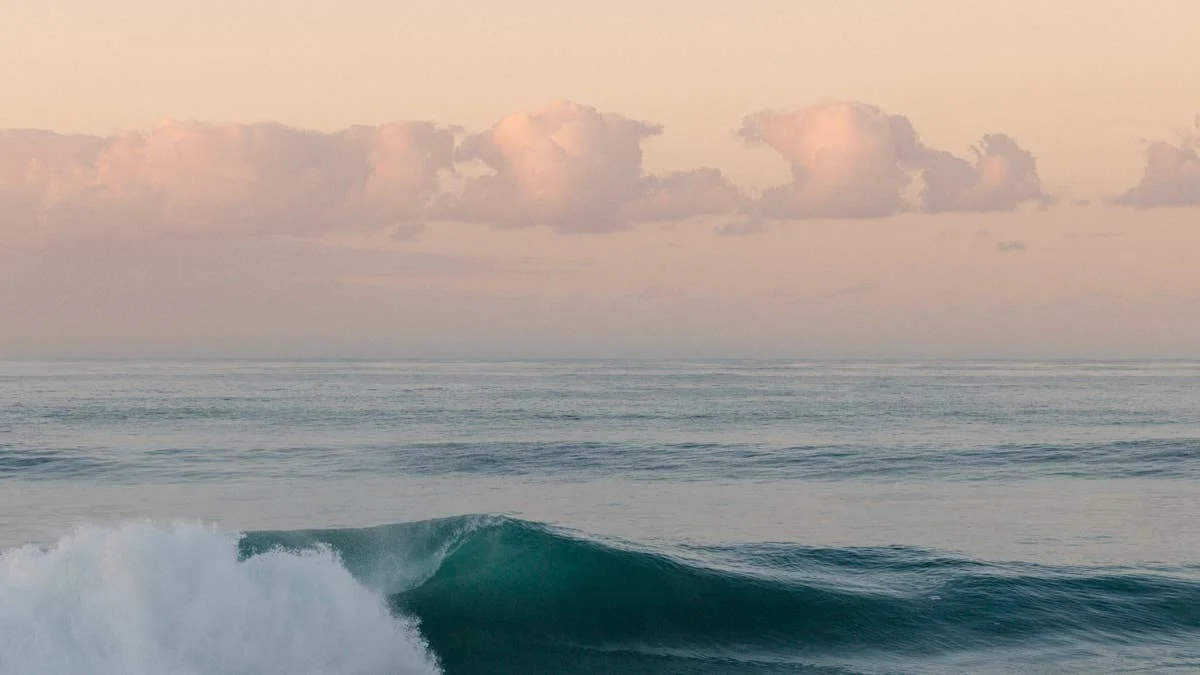
Jeremiah Klein
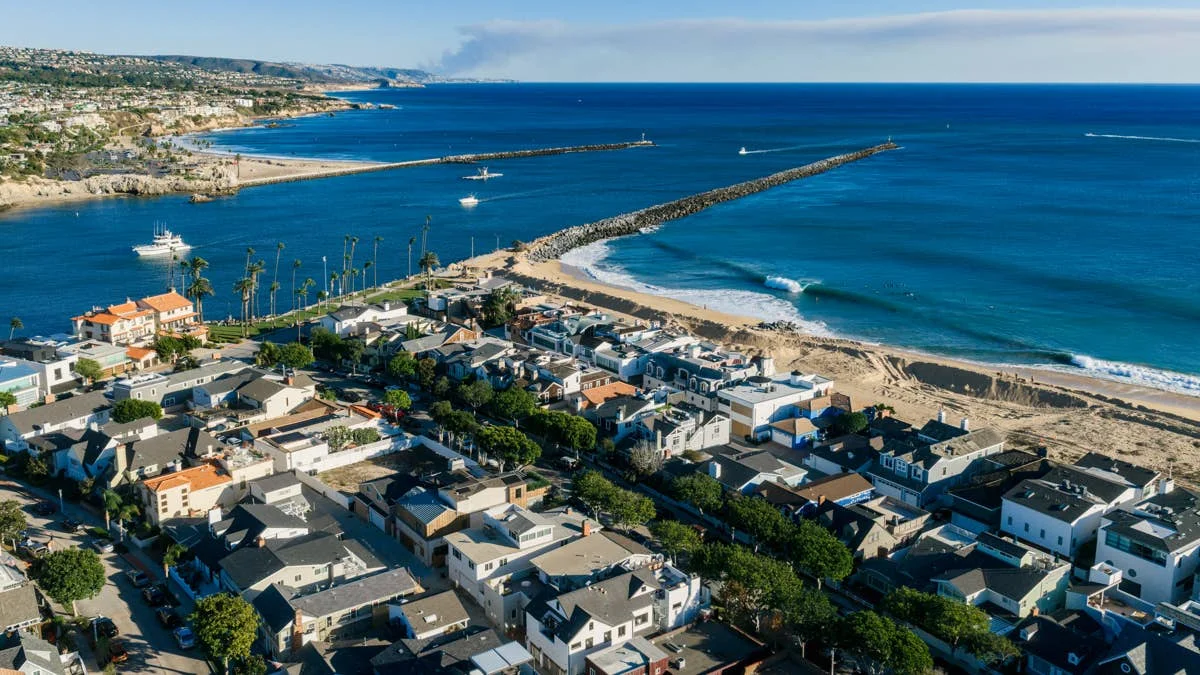
Jeremiah Klein
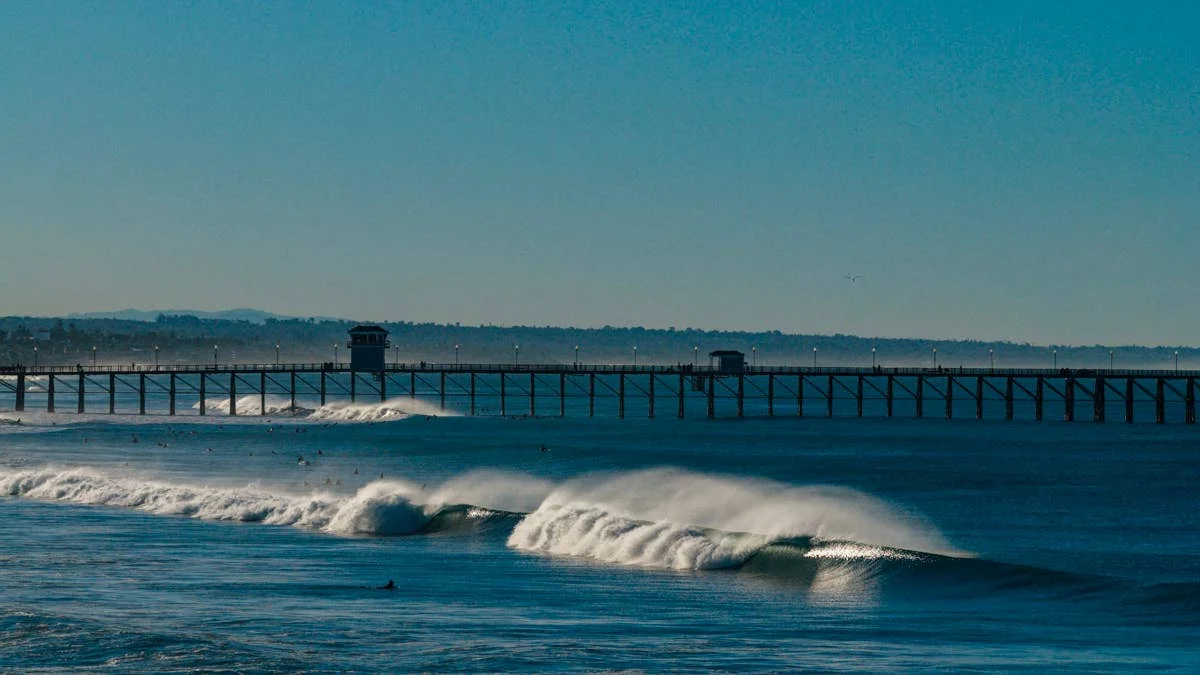
Jeremiah Klein
Follow Jeremiah Klein here.
A demanding week in the water
Beim spent an estimated 25 to 30 hours in the water over seven days, checking the Wedge at sunrise each day from Monday through Sunday. He called the season the wildest he’d seen, pointing to months of consistent swell and the sustained size of the October run. That assessment comes from someone who was present repeatedly, though the gallery also makes clear that each session brought its own challenge.
His photographs feature Tyler Gunter, Christian Fletcher, Punker Pat and Kalani Robb. The images reflect the effort behind the sessions: with waves shifting and moving in volume, the best moments depended on being in position as conditions came together. Long hours offered more chances to catch those moments, but they couldn’t make the timing predictable.
“This October run has been one for the books, but definitely really hard to line one up,” Beim said. “But when all the elements came together that’s where the magic was found.”
Here’s the thing: the memorable frame is often the result of a lot of waiting and missed opportunities. The photographs make the action look immediate; Beim’s account points to the patience and repeated effort behind it.
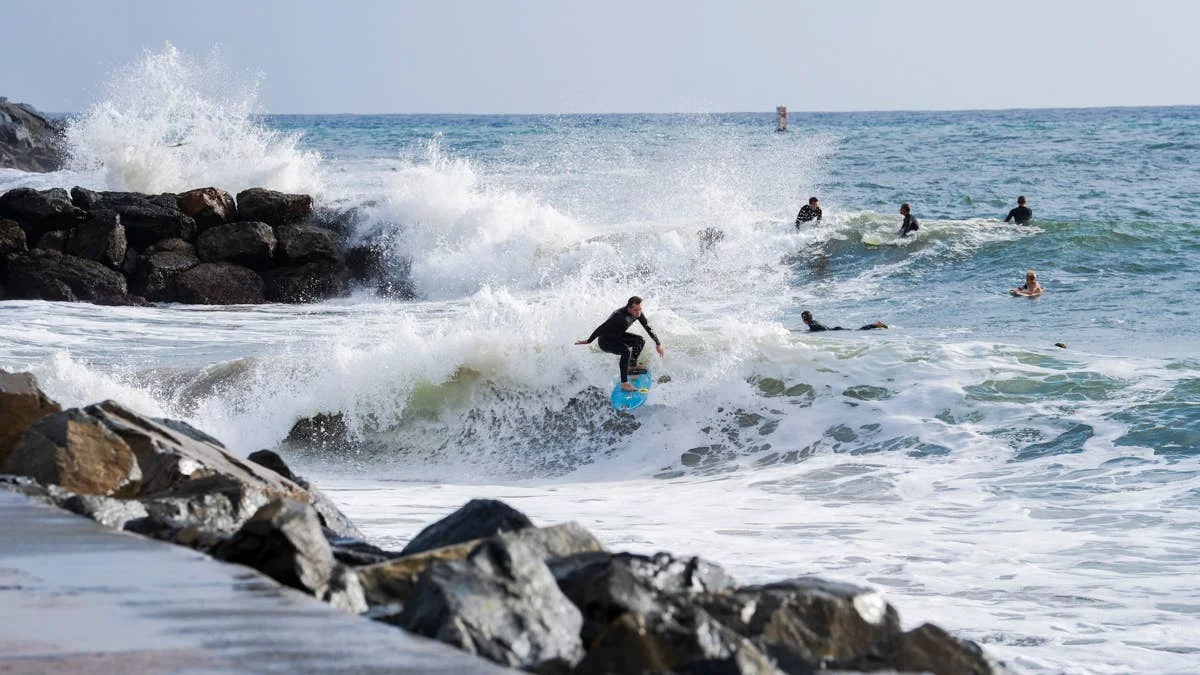
Owen Beim
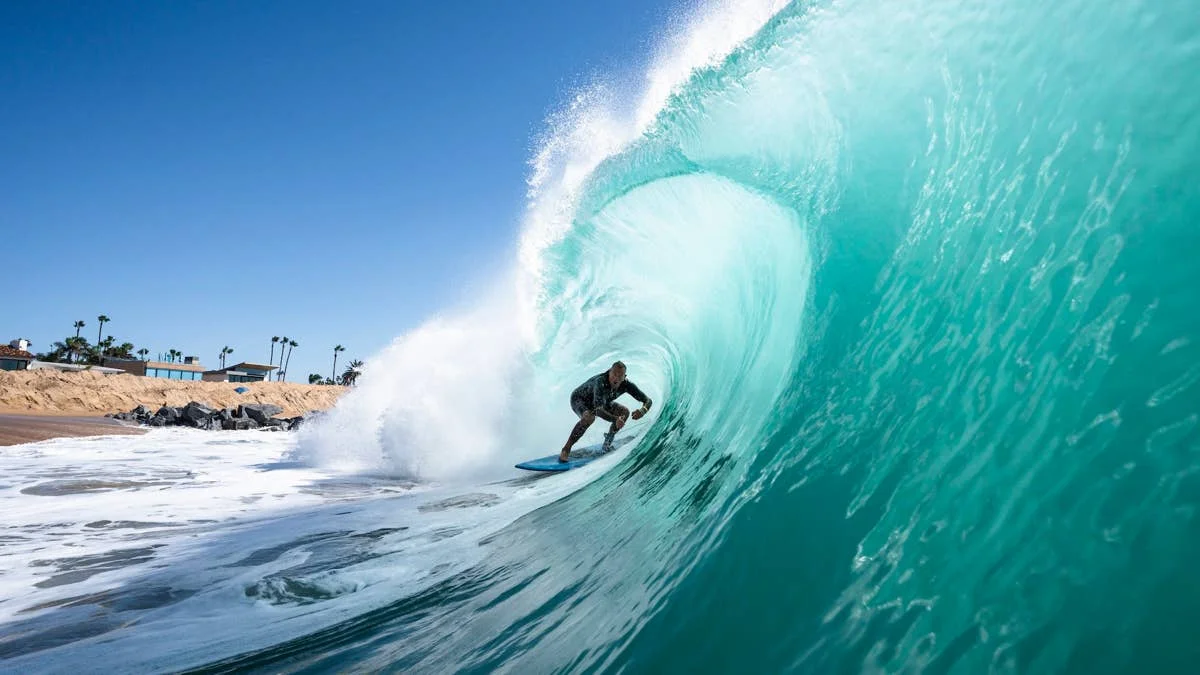
Owen Beim
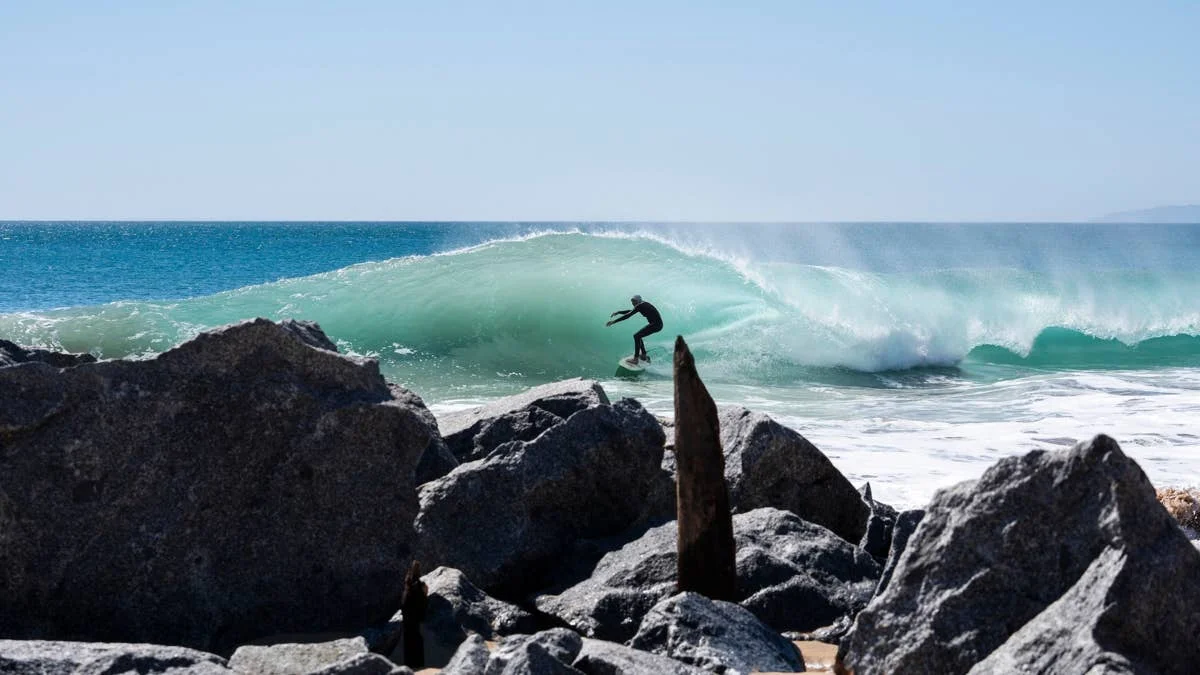
Owen Beim
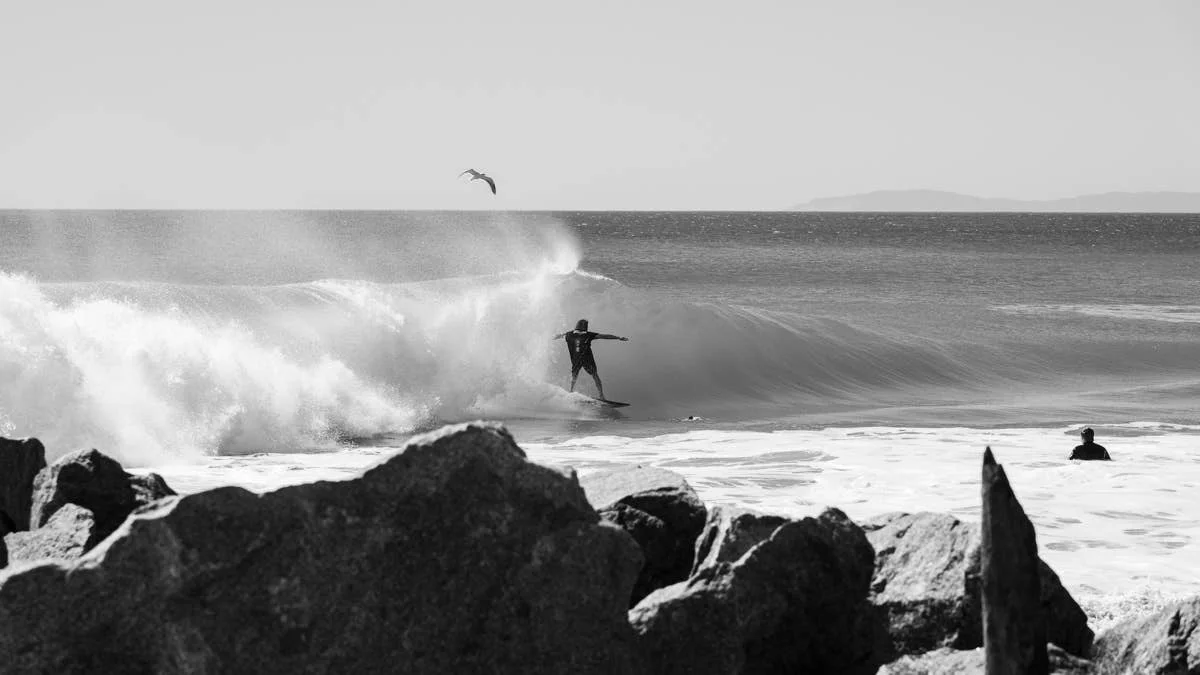
Owen Beim
Follow Owen Beim here.
Photographers chase the lineup
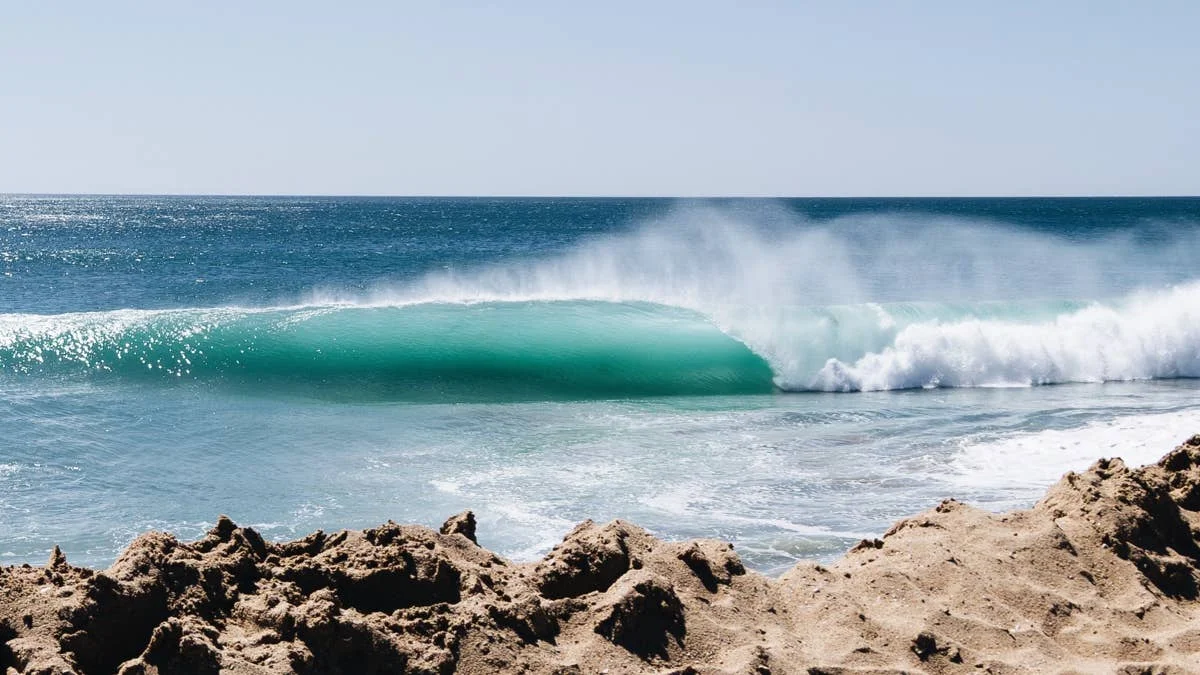
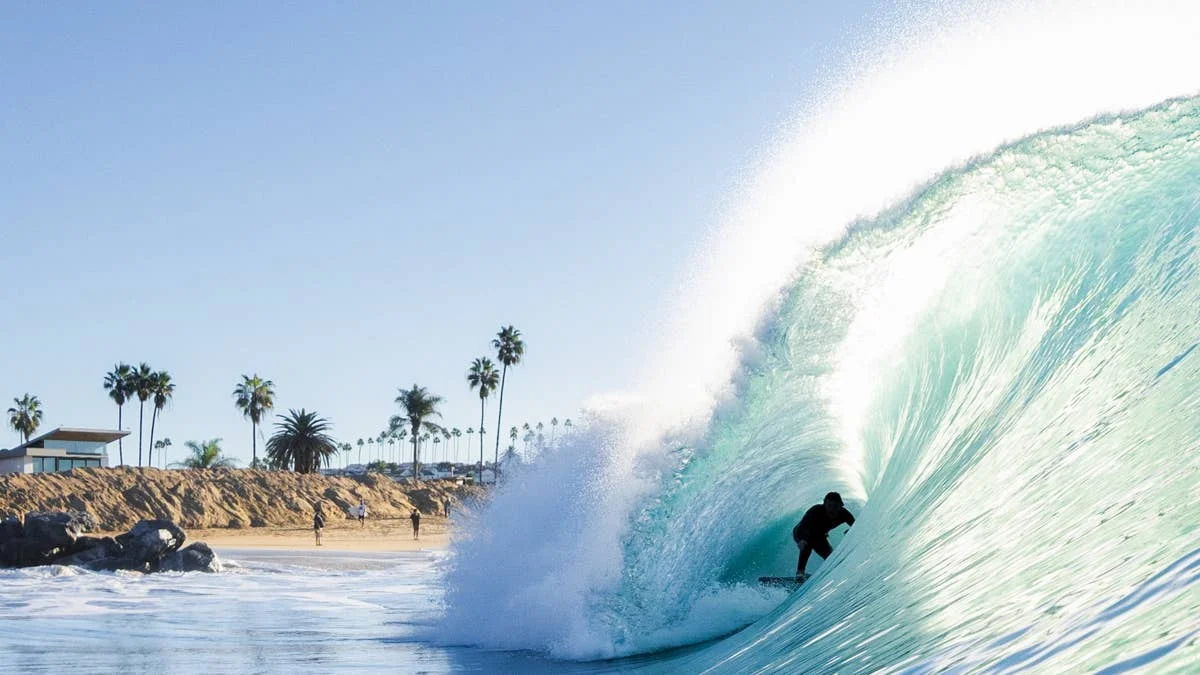
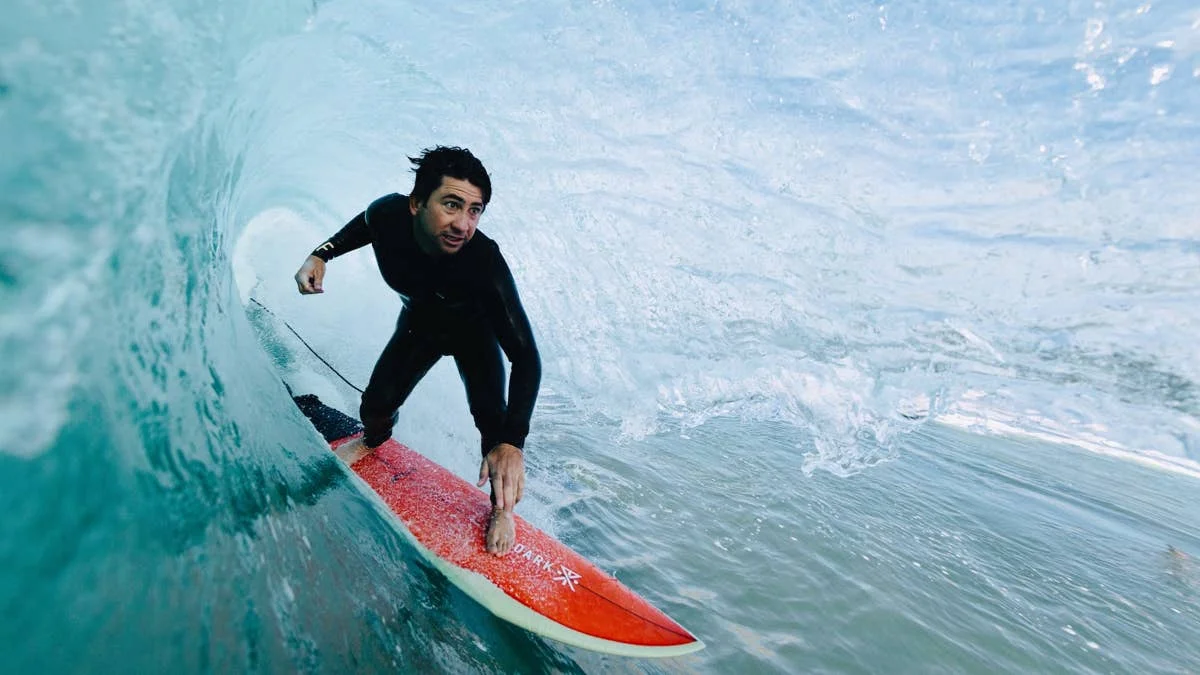
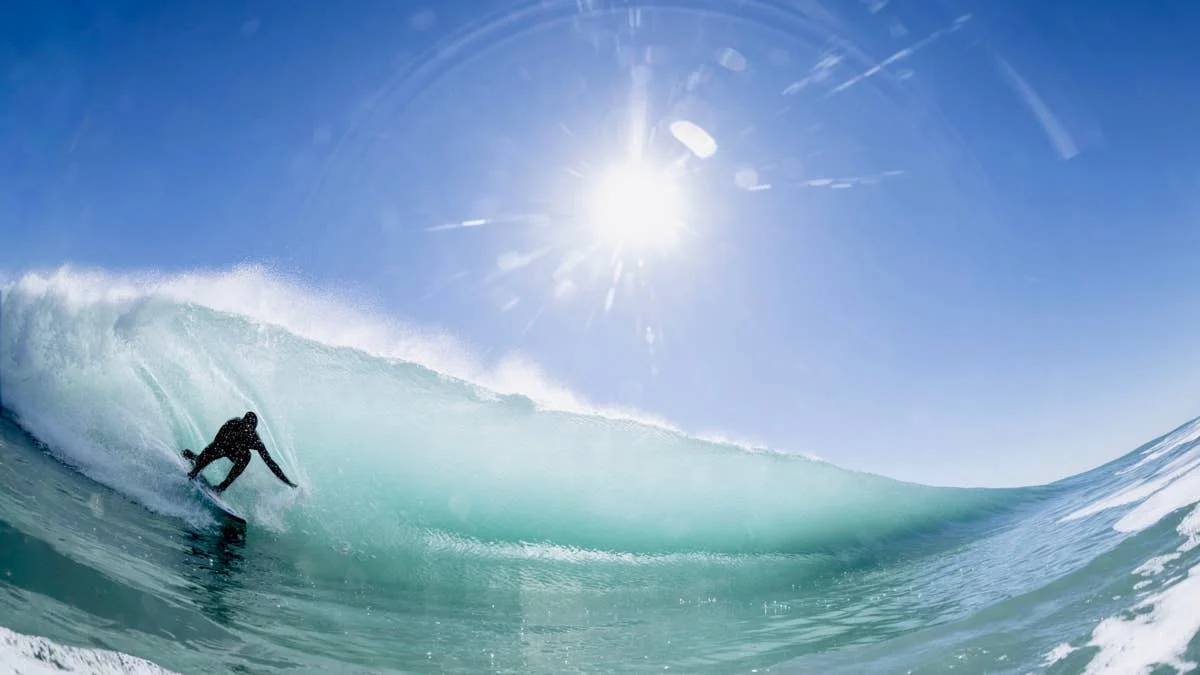
Kalani Cummins described a week spent mostly in the water, with sunburn and wetsuit rash as evidence of the hours logged. In his view, the swell and Santa Anas aligned to create an exceptional stretch from behind the camera. The physical cost offers a useful counterpoint to the polished images: documenting surf means remaining close to the conditions for extended periods.
His gallery moves from Newport Beach to an unidentified surfer, then to Nate Zoller and Greyson Fletcher. The unknown surfer’s identity isn’t supplied, and the image is presented without one. Together, the three photographers’ work shows how the same run offered both spectacle and a challenge: the coast was active, but catching its best moments called for persistence and timing.
If you're working in this space, the practical lesson is familiar: strong conditions alone don’t make a strong image. Position, timing and the willingness to stay out through changing surf all shape what gets captured. And yet, even experienced photographers can’t control when the elements line up.
Kalani Cummins
Kalani Cummins
Kalani Cummins
Kalani Cummins
Follow Kalani Cummins here.
What the run signals for winter
The images capture a standout start to Southern California’s fall surf season. With El Niño expected to keep the Pacific energized through winter, the photographers’ next challenge may be keeping up with what comes ashore. That expectation frames the October run as a possible opening chapter, rather than a self-contained stretch of good surf.
This is more significant than it looks: a run like this tests the people documenting it as much as it rewards them. The photographers’ accounts emphasize sustained effort, difficult positioning and narrow windows when wind and swell cooperate. The gallery preserves the spectacle, but the work behind it is what explains why those frames stand out.
For surfers and photographers, the coming months will bring the same basic question: when conditions build, can you be in the right place when they peak? The answer depends on timing, and there’s no guarantee the next session will be as cooperative.


