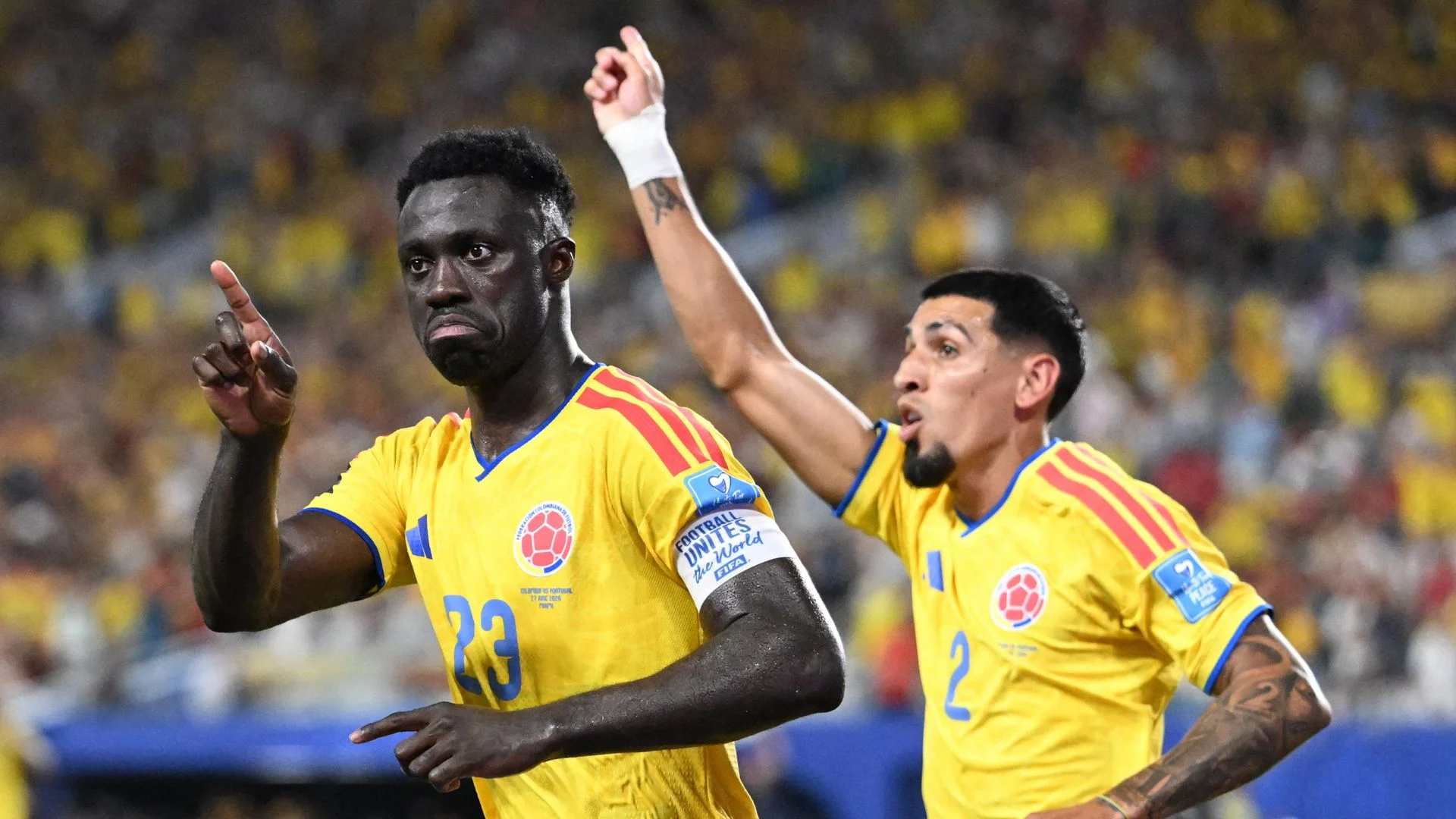
The much-anticipated 2026 FIFA World Cup officially kicked off today, setting the stage for a thrilling competition. Host nation Mexico faced South Africa in the opening match, while South Korea squared off against Czechia. With these early games, the excitement is palpable as fans and players alike prepare for what promises to be a spectacular showcase of football.
Before long, the remaining 44 teams will also compete, adding intensity to the tournament. Each match adds not only to the teams’ standings but also to the drama and unpredictability that fans love. Footballing giants will face off against underdogs, and countries will rally behind their teams, making it a celebration of sport and national pride.
Current Group Standings
Here's the current status for Group A:
| Team | W | D | L | GF | GA | GD | Points |
|---|---|---|---|---|---|---|---|
| Mexico | 1 | 0 | 0 | 2 | 0 | +2 | 3 |
| Czechia | 0 | 0 | 0 | 0 | 0 | 0 | 0 |
| South Korea | 0 | 0 | 0 | 0 | 0 | 0 | 0 |
| South Africa | 0 | 0 | 1 | 0 | 2 | -1 | 0 |
Group A Match Schedule
Looking ahead, here’s when Group A will play next:
Thursday, June 11
Mexico 2, South Africa 0
South Korea vs. Czechia
Thursday, June 18
Czechia vs. South Africa
Mexico vs. South Korea
Wednesday, June 24
South Africa vs. South Korea
Czechia vs. Mexico
Group B Standings
Here's the latest from Group B:
| Team | W | D | L | GF | GA | GD | Points |
|---|---|---|---|---|---|---|---|
| Canada | 0 | 0 | 0 | 0 | 0 | 0 | 0 |
| Bosnia and Herzegovina | 0 | 0 | 0 | 0 | 0 | 0 | 0 |
| Qatar | 0 | 0 | 0 | 0 | 0 | 0 | 0 |
| Switzerland | 0 | 0 | 0 | 0 | 0 | 0 | 0 |
Group B Match Schedule
The fixtures for Group B are as follows:
Friday, June 12
Canada vs. Bosnia and Herzegovina
Saturday, June 13
Qatar vs. Switzerland
Thursday, June 18
Switzerland vs. Bosnia and Herzegovina
Canada vs. Qatar
Wednesday, June 24
Switzerland vs. Canada
Bosnia and Herzegovina vs. Qatar
Advancing to the Knockout Stage
The 2026 World Cup introduces a new format with a significant increase to 48 participating teams, fundamentally reshaping the tournament's structure and outcomes. Instead of the previous 32-team format, the knockout phase now commences with a round of 32. This means that 32 teams out of 48 will progress: the top two from each group and the next eight best-performing third-place teams.
To many, this might just feel like an expansion for the sake of growth, but the implications are complex. Increased teams may dilute the quality of matches — more teams could mean more mismatches, which some purists might not appreciate. But for fans, this also opens doors for lesser-known teams to establish themselves on global platforms. It’s a double-edged sword that could make for both exciting surprises and disappointing encounters.
Tiebreaker Mechanics
When teams finish equal on points, FIFA applies a multi-step tiebreaker protocol designed to ensure a thorough and fair resolution. This structured approach prevents arbitrary decision-making that can lead to controversy.
Initially, they assess the points accrued from matches played between the tied teams. If those results don’t settle things, they check the goal difference in those same matches, followed by total goals scored in that head-to-head competition. This means that how teams perform against each other becomes critically important — and this is the part most people overlook.
Should a resolution still be required, they will move to assess total goal differences across all group matches, total goals scored within the group, and finally, team conduct scores based on cards received. If ties persist, they ultimately rely on the latest FIFA World Rankings, which serve as the final arbiter.
Ranking Third-Place Teams
For third-place teams, FIFA employs a systematic ranking that factors in numerous metrics to determine who gets to advance. This adds an interesting layer of strategy and tension, particularly for teams that find themselves in a tight group.
First, they evaluate points earned from all group matches. After that, goal difference is scrutinized, followed by total goals scored. Finally, team conduct scores come into play. If teams still find themselves tied after exploring these parameters, they will again rank using the latest FIFA World Rankings. The density of these rules illustrates FIFA's commitment to maintaining fairness, although some may argue whether it's too convoluted.
Implications and Future Outlook
The shift to a 48-team World Cup is significant in more ways than just logistics and scheduling; it signals broader trends in international football. Many see this as a move influenced by commercial interests, aiming for increased viewership and revenue. However, it also raises valid concerns about the dilution of talent and competitiveness. If you're working in this space, you'll certainly want to monitor how this impacts future tournaments.
Every major tournament carries with it the potential for shifts in player dynamics, national team strategies, and fan engagement. Expect teams to adapt in response to the new structure, possibly becoming more aggressive in their approaches to ensure a top-two position in their group or, alternatively, focusing on positioning themselves as one of the best third-place finishers.
This World Cup could redefine what it means to compete on the world stage. Whether that’s for the better or not remains to be seen, but one thing’s for sure: football fans should brace themselves for an exhilarating ride.